- Home
- About Us
- Products
- Gaskets
- Braided Packing
- Graphite Packing
- Aramid Packing
- PTFE Packing
- Graphite PTFE Packing
- Carbon Fiber Packing
- Asbsetos Packing
- Ceramic Packing
- Fiberglass Packing
- Acrylic Packing
- Cotton Packing
- Injectable Sealant
- Synthetic Fiber Packing
- Vegetable Fiber Packing
- Mineral Fiber Packing
- Molded Packing Ring
- Die-formed Graphite Ring
- Compression Sheets
- Sealing Materials
- Sealing Machines
- Sealing Tools
- Insulation Products
- PTFE
- Metallic Gaskets
- Fep
- PFA
- News
- Download
- Send Inquiry
- Contact Us

High-Quality Asbestos Sheets for Wholesale Bulk Purchasing from Leading Manufacturers in China
What is an Asbestos Sheet?
An asbestos sheet is a high-density, non-combustible building material historically fabricated by combining asbestos fibers with a cementitious binder. Renowned for its exceptional durability, fire resistance, and thermal insulation properties, it was extensively used in the 20th century for roofing, siding, cladding, and as a fireproofing material in industrial and residential construction. It is crucial to note that due to the severe health risks associated with airborne asbestos fibers, the production and use of new asbestos sheets have been banned or heavily restricted in most countries, including the UK, EU, Australia, and many others. This content serves to provide historical and technical context for identification, management, and replacement purposes.
Key Technical Specifications & Product Parameters
Classic asbestos cement sheets were manufactured to rigorous standards. The following parameters detail the typical specifications of these historical products, which are critical for professionals involved in building surveys, risk assessment, and safe removal.
Primary Material Composition
- Asbestos Content: Typically ranged between 10-15% by weight, though this could vary. The fibers were predominantly Chrysotile (white asbestos), but Amosite (brown) and Crocidolite (blue) were also used in some products.
- Cement Matrix: Portland cement formed the primary binder, comprising approximately 85-90% of the material.
- Additives: Silica, cellulose (or other reinforcing fibers in later "asbestos-free" versions), and processing aids.
Physical and Performance Properties
| Property | Typical Value / Description | Testing Standard (Historical) |
|---|---|---|
| Density | 1.6 - 2.0 g/cm³ (High Density) | BS 690, ASTM D792 |
| Tensile Strength | 6 - 10 MPa | BS 6433 |
| Flexural Strength (Modulus of Rupture) | 15 - 25 MPa | BS 6433, ASTM C1185 |
| Water Absorption | < 18% by weight (after 24h immersion) | BS 690 |
| Thermal Conductivity (k-value) | 0.4 - 0.6 W/m·K | BS 874 |
| Fire Resistance | Non-combustible (Class A1). Can withstand temperatures exceeding 600°C without igniting. | BS 476 |
| Acid & Alkali Resistance | Good resistance to weak acids and excellent resistance to alkalis. | - |
| Max Service Temperature | Up to 300°C for continuous exposure (for heat resistance grades). | - |
Standard Sheet Dimensions (Historical)
| Application | Common Length (mm) | Common Width (mm) | Common Thickness (mm) | Profile |
|---|---|---|---|---|
| Corrugated Roofing / Cladding | 1830, 2440, 3050 | 915, 1220 | 4.5, 5.0, 6.0 | Big 6, Trapezoidal |
| Flat Sheet (Internal/External) | 2440, 3050 | 1220 | 4.5, 6.0, 9.0, 12.0 | Flat, Textured |
| Fire Protection Board | 2440 | 1220 | 6.0, 9.0, 12.0, 19.0 | Flat |
| Drainage & Sewage Board | 1830 | 915 | 9.0, 12.0 | Flat or Corrugated |
Common Modern Alternatives to Asbestos Sheets
Today, safe and high-performance alternatives are used for all applications previously served by asbestos sheets. These materials offer similar or superior functional benefits without the health risks.
- Fibre Cement Sheets: Use cellulose, polyvinyl alcohol (PVA), or aramid fibers as a safe reinforcement. Ideal for roofing, cladding, and soffits. Brands include Cembrit, Eternit, and Supradur.
- Calcium Silicate Boards: Excellent fire resistance, used for fire protection, HVAC, and industrial insulation. Examples include Promat SUPALUX, Vermiculux, and Masterboard.
- Glass Reinforced Gypsum (GRG) or Cement (GRC): High-strength, lightweight panels for decorative and structural cladding.
- Metal Composite Panels (MCP) & Profiled Metal Sheets: Steel or aluminium sheets with cores of mineral wool or other fire-retardant material, used for modern cladding and roofing.
- High-Pressure Laminates (HPL) & Engineered Stone: For internal and external decorative panels requiring durability.
Frequently Asked Questions (FAQ) About Asbestos Sheets
How can I identify if my building has asbestos sheets?
Visual identification is not definitive. Asbestos sheets often look like standard cement sheets but may have a distinctive layered edge or a specific corrugation profile (like "Big 6"). The only way to confirm is through sampling by a UKAS-accredited asbestos surveyor and analysis in a licensed laboratory using Polarised Light Microscopy (PLM). Do not attempt to sample it yourself.
Is it dangerous if the asbestos sheet is in good condition and undisturbed?
If the sheet is fully intact, undamaged, and not in a location where it can be easily abraded or drilled, the risk of fiber release is considered low. This is known as "materials in good condition." However, its condition should be monitored regularly by a competent person as part of an asbestos management plan, as required by law in many jurisdictions.
What should I do if I need to remove or work near asbestos sheets?
All work on asbestos-containing materials (ACMs) is highly regulated. For bonded materials like sheets, removal typically requires a licensed asbestos removal contractor, especially for high-risk activities or significant quantities. They will follow strict protocols including enclosure, negative air pressure, use of RPE/PPE, wet stripping, and safe disposal at a licensed site. Always seek professional advice before any building work on pre-2000 structures.
Can I paint or seal an asbestos sheet to manage it?
Yes, encapsulation is a recognized risk management technique. Specialised encapsulant paints or sealants can be applied to bind surface fibers and prevent their release. This should only be done after a professional risk assessment and by trained personnel using appropriate safety controls. It is a temporary measure and the material must continue to be managed.
What are the legal responsibilities for a property owner regarding asbestos sheets?
In countries like the UK, under the Control of Asbestos Regulations, the "duty holder" (often the owner or manager) must identify the presence and condition of asbestos, maintain an up-to-date asbestos register and management plan, assess the risk, and ensure this information is communicated to anyone liable to disturb it (e.g., tradespeople, maintenance staff). Failure to comply can result in severe legal penalties.
How are asbestos sheets disposed of safely?
Asbestos waste is classified as hazardous. It must be double-bagged in heavy-duty, labeled asbestos waste bags or wrapped in sheeting, transported by a licensed carrier, and disposed of at a landfill site specifically licensed to accept hazardous asbestos waste. Detailed consignment notes must accompany the waste. Household tips or general skips cannot accept it.
Are there any "safe" types of asbestos used in sheets?
No. All types of asbestos (Chrysotile, Amosite, Crocidolite, etc.) are classified as Category 1 carcinogens. While Chrysotile was the most commonly used and its fibers have a different morphology, it is still a proven cause of mesothelioma, lung cancer, and asbestosis. No threshold of safe exposure is established.
Can I replace my asbestos roof with a new fibreglass or plastic roof directly over it?
This practice, known as "over-cladding" or "over-sheeting," can be a risk management option but requires extreme caution. It must be planned to avoid damaging the underlying asbestos during installation. It also legally assigns the responsibility for the hidden asbestos to future owners and must be documented in the asbestos management plan. Full removal is often the preferred long-term solution.

- View as

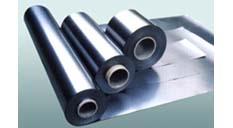
Asbestos Latex Sheet
Discover the premium Asbestos Latex Sheet by Kaxite Sealing, designed for reliable sealing in industrial and commercial settings. Made from durable asbestos rubber, it offers superior heat resistance and sealing performance, ideal for HVAC, plumbing, and fire safety applications. This essential solution enhances safety and durability, reducing maintenance needs and boosting user confidence. With Kaxite Sealing's commitment to quality and innovation, stand out from competitors by choosing a trusted brand that delivers lasting protection. Elevate your projects with our advanced materials today, ensuring peace of mind and efficiency in every application.

Acid-Resistance Rubber Sheets
Kaxite Sealing Acid-Resistance Rubber Sheets provide unmatched protection against harsh chemicals for industries like manufacturing and plumbing. Made with premium materials, they offer superior durability and sealing performance, ensuring safety and reliability in demanding environments. Experience peace of mind with these top-quality sheets that outlast competitors.

Asbestos Rubber Sheet With Wire Net Strengthening
Kaxite Sealing's Asbestos Rubber Sheet With Wire Net Strengthening delivers unmatched durability and sealing performance. Its unique wire net reinforcement enhances strength and flexibility, making it ideal for industrial applications like gaskets and insulation. This premium material ensures long-lasting protection against heat and chemicals, solving leakage and wear issues effectively. Perfect for engineers and maintenance professionals in demanding environments, it offers a reliable solution with superior resilience. Experience the difference with Kaxite Sealing's innovative design that outperforms standard asbestos sheets, ensuring safety and efficiency in every use.

Asbestos Rubber Sheets
Kaxite Sealing's Asbestos Rubber Sheets offer superior durability and heat resistance for industrial sealing applications. Ideal for engineers and manufacturers, these sheets provide reliable protection, solving leak and safety issues with unmatched quality. Enhance your projects with this trusted solution today!

Oil-Resistance Asbestos Rubber Sheets
Kaxite Sealing's Oil-Resistance Asbestos Rubber Sheets provide exceptional durability and sealing performance in oil-heavy environments. Engineered with advanced materials, these sheets resist oil degradation, ensuring long-lasting reliability for industrial applications. Ideal for machinery maintenance, automotive, and manufacturing sectors, they offer peace of mind by preventing leaks and enhancing safety. With superior quality and a trusted brand name, Kaxite Sealing delivers a cost-effective solution for your toughest sealing challenges.


