- Home
- About Us
- Products
- Gaskets
- Braided Packing
- Graphite Packing
- Aramid Packing
- PTFE Packing
- Graphite PTFE Packing
- Carbon Fiber Packing
- Asbsetos Packing
- Ceramic Packing
- Fiberglass Packing
- Acrylic Packing
- Cotton Packing
- Injectable Sealant
- Synthetic Fiber Packing
- Vegetable Fiber Packing
- Mineral Fiber Packing
- Molded Packing Ring
- Die-formed Graphite Ring
- Compression Sheets
- Sealing Materials
- Sealing Machines
- Sealing Tools
- Insulation Products
- PTFE
- Metallic Gaskets
- Fep
- PFA
- News
- Download
- Send Inquiry
- Contact Us

Dusted Asbestos Manufacturer in China Offering Custom OEM ODM Factory Solutions for Wholesale Bulk Orders
Dusted Asbestos: Understanding the Hazard and Our Specialized Solutions
In environments where asbestos-containing materials (ACMs) have been disturbed, Dusted Asbestos represents one of the most significant inhalation hazards. Unlike intact, non-friable asbestos, dusted asbestos consists of fine, airborne fibers released from damaged or degraded ACMs. These microscopic, needle-like fibers, when inhaled, can become trapped deep in the lungs, posing severe long-term health risks including asbestosis, lung cancer, and mesothelioma. Our company provides a comprehensive suite of professional-grade products and equipment specifically engineered for the safe, compliant, and effective management, encapsulation, and removal of dusted asbestos hazards. This guide details our flagship solutions, their technical specifications, and answers critical frequently asked questions.
Core Product Line for Dusted Asbestos Management
Our product range is developed in strict adherence to OSHA (Occupational Safety and Health Administration), EPA (Environmental Protection Agency), and relevant local regulatory standards. Each product is designed for a specific phase of asbestos hazard control.
1. High-Efficiency Particulate Air (HEPA) Filtration & Negative Air Machines
Essential for creating negative pressure containment and scrubbing airborne fibers, our HEPA units are the cornerstone of safe asbestos abatement.
- Model HEPA-Neg 1200: A rugged, portable unit for mid-sized containment areas.
- Model HEPA-Neg 2400 Pro: Industrial-grade machine for large-scale projects, featuring dual motors for redundancy.
- Model AirScrub HT: A high-temperature rated unit for use in attics or areas with extreme ambient heat.
| Model | Airflow (CFM) | HEPA Filter Efficiency | Motor Power | Noise Level | Primary Use Case |
|---|---|---|---|---|---|
| HEPA-Neg 1200 | 1200 CFM | 99.97% @ 0.3 microns | 1.5 HP | 68 dB(A) | Residential rooms, small commercial spaces |
| HEPA-Neg 2400 Pro | 2400 CFM | 99.99% @ 0.3 microns | 2 x 1.5 HP | 72 dB(A) | Large industrial halls, multi-room containment |
| AirScrub HT | 1000 CFM | 99.97% @ 0.3 microns | 1.2 HP | 65 dB(A) | Confined spaces, attics, high-temperature environments |
2. Asbestos-Specific Encapsulants and Penetrating Sealers
For scenarios where removal is not immediately feasible, our encapsulants bind and seal dusted asbestos in place, preventing fiber release.
| Product Name | Type | Coverage Rate | Drying Time | VOC Content | Recommended Substrate |
|---|---|---|---|---|---|
| FiberLock 5500 | Bridging Encapsulant (High-build coating) | 100 sq ft/gallon | 4-6 hours touch dry | < 50 g/L | Pipe lagging, boiler insulation, textured ceilings |
| Penetraseal Deep-P | Penetrating Encapsulant (Low-viscosity) | 150-200 sq ft/gallon | 2-3 hours | < 25 g/L | Asbestos cement sheeting, millboard, damaged thermal insulation |
| EnvroCoat Clear | Clear, Penetrating/Bridging Hybrid | 120 sq ft/gallon | 3-4 hours | < 100 g/L | Surfaces requiring visual inspection post-treatment |
3. Personal Protective Equipment (PPE) & Decontamination Systems
Full protection for abatement workers is non-negotiable. Our PPE kits and decon systems meet and exceed NIOSH and OSHA requirements.
- Full-Face Respirator Kit (PAPR - Powered Air Purifying Respirator): Includes helmet, HEPA/P100 filters, battery pack, and protective suit attachment.
- Disposable Coverall (Type 5/6): SMS polypropylene material, with bound seams, elastic cuffs, and attached hood and booties.
- Three-Stage Decontamination Unit (Portable): A modular shower and changing unit featuring a clean room, shower room, and equipment room.
Dusted Asbestos: Frequently Asked Questions (FAQs)
What exactly is "Dusted Asbestos" and how is it different from other asbestos?
Dusted asbestos refers to the state where asbestos-containing materials have been broken down, abraded, or otherwise damaged, releasing dry, loose fibers into the air or settling as a fine dust on surfaces. The key difference is its friability—it can be crumbled by hand pressure, making fibers easily airborne. This contrasts with non-friable or "bound" asbestos (like vinyl floor tiles or asbestos cement), where the fibers are locked in a matrix and not readily released unless aggressively sanded, cut, or demolished.
I found a small amount of dust near an old pipe insulation. Is this an immediate emergency?
While any uncontrolled dusted asbestos is a serious concern, a small, localized area does not typically constitute an emergency requiring evacuation. However, you must treat it as a significant hazard. Do not sweep, dust, or vacuum the area, as this will aerosolize the fibers. Immediately restrict access to the area, avoid disturbing the dust, and contact a licensed, accredited asbestos inspection professional to take samples for analysis and advise on next steps, which may include professional cleanup or encapsulation.
Can I clean up dusted asbestos myself if I wear a mask from the hardware store?
No, this is extremely dangerous and not recommended. Standard dust masks or even many painting respirators do not filter out microscopic asbestos fibers. Proper cleanup requires a NIOSH-approved half or full-face respirator with P100 HEPA cartridges, full disposable protective clothing, specialized HEPA-filtered vacuum cleaners (not standard shop vacs), and training in wet cleaning methods and waste handling. Improper cleanup can contaminate your entire home and expose you and your family to high fiber concentrations. Abatement is strictly regulated; always hire licensed professionals.
What is encapsulation and when is it used instead of removal for dusted asbestos?
Encapsulation involves applying a specially formulated sealant (like our FiberLock or Penetraseal products) that either penetrates the material to bind fibers internally or coats the surface to create a tough, flexible membrane. It is considered a permanent repair method when: the asbestos material is in good condition aside from surface dusting; the material is inaccessible or difficult to remove safely (e.g., on beams or in tight spaces); or removal costs are prohibitive. A professional assessment is required to determine if encapsulation is a suitable, long-term solution for your specific situation, as it must be monitored over time.
How do your HEPA negative air machines work to make an abatement area safe?
Our HEPA negative air machines perform two critical functions. First, they create and maintain negative air pressure inside the sealed containment area (e.g., a room under plastic sheeting). By exhausting more air out of the enclosure than enters, any potential leaks are inward, preventing asbestos fibers from escaping to clean areas. Second, the air being exhausted is passed through an absolute HEPA filter that captures 99.97% or more of particles at 0.3 microns, effectively scrubbing the air of asbestos fibers before it is discharged outside (through a properly sealed duct), ensuring no environmental contamination.
How should waste from a dusted asbestos cleanup be handled and disposed of?
Asbestos waste is regulated as hazardous material. All waste—including contaminated dust, debris, cleaning materials, plastic sheeting, PPE, and HEPA filters—must be wet thoroughly to suppress dust, then sealed in clearly labeled, leak-tight 6-mil thick plastic bags or containers. These are typically placed into a second, labeled container. Disposal must be at a licensed landfill permitted to accept asbestos waste. Transport may require a hazardous waste manifest. A licensed abatement contractor will manage all aspects of this complex and legally mandated process.
Are your encapsulation products safe to use and do they require reapplication?
Yes, when used as directed by trained personnel, our encapsulants are safe and effective. They are formulated with low VOC content to protect applicator health. Their longevity depends on the product type, environmental conditions (UV exposure, humidity, physical abrasion), and the substrate's condition. Bridging encapsulants may require inspection for cracks or peeling every 3-5 years. Penetrating encapsulants typically last the lifespan of the material itself if undisturbed. A professional post-encapsulation inspection and air monitoring program are recommended to verify and ensure ongoing performance.
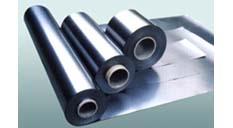

- View as

Dusted Asbestos Cloth
Discover Kaxite Sealing's Dusted Asbestos Cloth, a high-performance industrial solution for superior heat resistance and durability. Engineered with premium asbestos material, it excels in sealing, insulation, and fireproofing applications, ideal for professionals in construction, manufacturing, and automotive sectors. This cloth ensures safety, reliability, and long-lasting performance, addressing critical needs in high-temperature environments. Stand out with its enhanced dusting process for better adherence and efficiency, offering unmatched quality and peace of mind.

Dusted Asbestos Rope
Discover Kaxite Sealing's Dusted Asbestos Rope, a premium sealing solution designed for industrial applications. Crafted with durable asbestos, it ensures reliable heat and chemical resistance in demanding environments like furnaces or pipes. This rope stands out with its superior sealing performance and easy installation, solving common leak issues. Ideal for engineers and maintenance professionals, it brings peace of mind and enhanced safety. Experience the Kaxite difference—boost your project's efficiency today!

Dusted Asbestos Tapes
Kaxite Sealing's Dusted Asbestos Tapes offer unmatched sealing and heat resistance for industrial and DIY projects. Made with durable asbestos, these tapes provide superior protection in demanding environments, ensuring safety and reliability. Ideal for professionals and enthusiasts tackling high-temperature applications, they bring peace of mind and enhanced performance compared to alternatives. Experience the difference today with quality you can trust.

Dusted Asbestos Yarn
Kaxite Sealing presents Dusted Asbestos Yarn: a high-performance sealing solution crafted from durable materials for industrial applications. It excels in heat resistance and longevity, ideal for engineers and professionals seeking reliable insulation. This product ensures safety and efficiency, solving leakage issues with its superior design. Unlike competitors, it combines affordability with unmatched quality. Choose Kaxite Sealing for trusted results—your go-to for seamless performance.


