- Home
- About Us
- Products
- Gaskets
- Braided Packing
- Graphite Packing
- Aramid Packing
- PTFE Packing
- Graphite PTFE Packing
- Carbon Fiber Packing
- Asbsetos Packing
- Ceramic Packing
- Fiberglass Packing
- Acrylic Packing
- Cotton Packing
- Injectable Sealant
- Synthetic Fiber Packing
- Vegetable Fiber Packing
- Mineral Fiber Packing
- Molded Packing Ring
- Die-formed Graphite Ring
- Compression Sheets
- Sealing Materials
- Sealing Machines
- Sealing Tools
- Insulation Products
- PTFE
- Metallic Gaskets
- Fep
- PFA
- News
- Download
- Send Inquiry
- Contact Us

Customized Ptfe Sealing Tape Solutions for Bulk Manufacturing Excellence
In the world of industrial sealing and high-performance applications, finding a reliable, versatile, and durable solution is paramount. Enter Ptfe Sealing Tape. Also commonly known as PTFE thread seal tape or plumber's tape, this unsung hero of the sealing world is a critical component in countless industries, from plumbing and HVAC to chemical processing and aerospace. Its unique properties stem from its base material: Polytetrafluoroethylene (PTFE), a synthetic fluoropolymer renowned for its exceptional chemical resistance, wide temperature tolerance, and non-stick characteristics. This guide delves deep into the specifications, applications, and advantages of PTFE sealing tape, providing a comprehensive resource for engineers, maintenance professionals, and procurement specialists.
What is PTFE Sealing Tape?
PTFE sealing tape is a thin, stretchable tape made from 100% virgin PTFE resin. It is manufactured by calendering and stretching the resin into a thin film, which is then spooled into rolls of various widths and lengths. Its primary function is to create a leak-proof seal in threaded pipe connections by filling the minute gaps and imperfections between the male and female threads. Unlike liquid sealants, PTFE tape does not harden or cure; it remains pliable, allowing for adjustments and disassembly without damaging the threads. This dry seal method is clean, effective, and universally trusted for sealing liquids and gases under a wide range of pressures and temperatures.
Key Product Parameters and Specifications
To select the correct PTFE sealing tape for your application, understanding its key parameters is essential. Below is a detailed breakdown presented in both list and table formats.
Material & Physical Properties
- Base Material: 100% Virgin PTFE (Polytetrafluoroethylene) resin.
- Color: Standard is white. Specialty tapes are available in colors like pink (for water lines), yellow (for gas lines), green (for oxygen lines), gray (for stainless steel), and bronze/copper (for heavy-duty applications).
- Form: Non-adhesive, thin film wound on a core.
- Density: Approximately 2.2 g/cm³.
- Elongation at Break: Typically between 100% and 400%, providing excellent stretchability to conform to threads.
- Tensile Strength: Ranges from 10 to 25 MPa, ensuring the tape does not tear easily during application.
Performance Specifications
| Parameter | Specification Range / Value | Notes |
|---|---|---|
| Temperature Range | -268°C to +260°C (-450°F to +500°F) | Short-term exposure up to 300°C (572°F) is possible. |
| Pressure Rating | Up to 10,000 psi (689 bar) | Dependent on thread design, tape thickness, and application technique. |
| Chemical Resistance | Resistant to virtually all industrial chemicals and solvents | Inert to acids, bases, alcohols, fuels, oils, and oxidizing agents. |
| Dielectric Strength | > 40 kV/mm | Excellent electrical insulator. |
| Coefficient of Friction | 0.05 - 0.10 | Extremely low, providing lubricity for easier assembly and disassembly. |
| Flammability | Non-flammable (UL94 V-0 rated) | Will not support combustion. |
| FDA/USDA Compliance | Available in FDA-compliant and NSF 61 certified grades | For potable water and food processing applications. |
Standard Product Dimensions
| Width (mm/inches) | Length (meters/feet) | Thickness (mm/mils) | Common Core Size (mm) |
|---|---|---|---|
| 12 mm / 0.5" | 12 m / 39 ft | 0.075 mm / 3 mil | 25 mm / 38 mm |
| 19 mm / 0.75" | 20 m / 66 ft | 0.1 mm / 4 mil | 38 mm |
| 25.4 mm / 1" | 25 m / 82 ft | 0.1 mm / 4 mil | 38 mm / 76 mm |
| 50.8 mm / 2" | 10 m / 33 ft | 0.15 mm / 6 mil | 76 mm |
| Custom (5mm to 100mm+) | Custom | 0.05mm to 0.5mm+ | Custom |
Primary Applications of PTFE Sealing Tape
The versatility of PTFE sealing tape makes it indispensable across numerous sectors:
- Plumbing: Sealing threads on water pipes, faucets, showers, and valves in residential, commercial, and industrial settings.
- HVAC & Refrigeration: Sealing refrigerant lines, compressor fittings, and gas lines where thermal cycling is common.
- Chemical Processing: Sealing pumps, valves, flanges, and pipework handling corrosive acids, bases, and solvents.
- Oil & Gas: Used in upstream, midstream, and downstream applications for sealing pipe threads in instrumentation, wellheads, and fuel lines.
- Pharmaceutical & Food & Beverage: Employing FDA-compliant grades for sanitary fittings and processing equipment requiring clean, non-contaminating seals.
- Automotive & Aerospace: Sealing hydraulic lines, fuel systems, and other critical fluid connections that experience extreme temperatures and vibrations.
- Electrical: Used as a thread sealant and insulator on conduit connections in hazardous or wet locations.
How to Apply PTFE Sealing Tape Correctly
Proper application is critical for achieving a perfect seal. Follow these steps:
- Clean the Threads: Ensure both male threads are clean, dry, and free of debris, old tape, or sealant.
- Start Point: Hold the end of the tape against the second thread from the end of the fitting.
- Wrapping Direction: Wrap the tape in the same direction as the threads tighten (clockwise for standard right-hand threads). This prevents the tape from unraveling when you screw the fitting together.
- Tension & Overlap: Apply the tape with a slight tension, overlapping each wrap by about 50%. For most applications, 3-5 complete wraps are sufficient.
- Finish & Break: After the final wrap, pull the tape firmly to tear it. Press the end down lightly to secure it. Avoid covering the first thread to ensure easy engagement.
- Assemble: Screw the fittings together by hand until snug, then tighten with a tool as required. Do not overtighten.
PTFE Sealing Tape: Frequently Asked Questions (FAQ)
Q: What is the difference between white PTFE tape and colored tapes (pink, yellow, green)?
A: The color primarily indicates density, thickness, and intended use. Standard white tape is general-purpose. Pink tape is often a medium-density tape suitable for water lines. Yellow tape is typically a higher-density, thicker tape designed for gas and fuel lines, meeting specific standards. Green tape is oil-free and certified for oxygen service to prevent combustion. Gray tape is often used for stainless steel pipes to prevent galling. Always check the manufacturer's specifications for the exact grade.
Q: Can PTFE tape be used for sealing tapered (NPT) and parallel (BSPP) threads?
A: Yes, PTFE sealing tape is effective for both. For tapered threads (like NPT), the tape fills the voids and helps achieve a mechanical seal as the threads wedge together. For parallel threads (like BSPP), which do not create a mechanical seal by design, the PTFE tape acts as the primary sealing element, filling the radial clearance between the threads. The application technique remains largely the same.
Q: Is it possible to use too much PTFE tape on a fitting?
A: Absolutely. Using excessive tape (too many wraps) can prevent the threads from fully engaging. This can cause the tape to bunch up, potentially blocking fluid flow in small orifices, or lead to stress cracking in plastic fittings. It can also make it difficult to achieve the proper tightness. More tape does not equal a better seal; 3-5 wraps with proper tension is the standard recommendation.
Q: Can PTFE tape be used with other sealants like pipe dope?
A: It is generally not recommended to combine PTFE tape with liquid pipe sealants (dope). The combination can be messy and is usually unnecessary, as each is designed to work independently. In some rare, high-pressure/vibration applications, specialists might use a specific combination, but for 99% of standard applications, choose one method or the other. PTFE tape alone is sufficient for most scenarios.
Q: How does PTFE tape perform under high temperature and thermal cycling?
A: PTFE has an exceptional continuous service temperature range from -268°C to +260°C. It does not become brittle at cryogenic temperatures nor does it degrade or melt at high temperatures within its range. During thermal cycling, where pipes expand and contract, the pliability of the PTFE tape allows it to maintain the seal by accommodating minor movements without hardening or cracking, unlike some cured sealants.
Q: Is PTFE sealing tape reusable?
A> No, PTFE tape is not designed to be reusable. Once a threaded connection sealed with PTFE tape is disassembled, the tape is deformed and compressed. It loses its integrity and should be completely removed. Always apply fresh PTFE sealing tape when reassembling a connection to ensure a leak-proof seal.
Q: Are there any chemicals that PTFE tape is not compatible with?
A: PTFE is one of the most chemically resistant materials known. It is inert to nearly all industrial chemicals, including strong acids (sulfuric, hydrochloric), strong bases (sodium hydroxide), halogens, and organic solvents. The only known exceptions are certain reactive alkali metals (like molten sodium) and fluorine under extreme conditions. For virtually all practical industrial applications, its chemical resistance is complete.
Q: What are the advantages of PTFE tape over liquid thread sealants?
A: PTFE tape offers several key advantages: It creates a clean, dry seal with no mess or curing time. It provides lubricity, making assembly and future disassembly easier and preventing galling, especially on stainless steel. It is not prone to shrinkage or hardening over time. It is chemically inert and usable across a wider temperature range than most liquid sealants. It also won't clog small passages in valves if applied correctly.
Q: How should PTFE sealing tape be stored?
A> Store PTFE tape rolls in their original packaging in a cool, dry place away from direct sunlight and extreme heat. There is no strict shelf life for virgin PTFE tape if stored properly, as it does not degrade over time. Avoid storing it where it could be contaminated by dust, oils, or other chemicals.

- View as

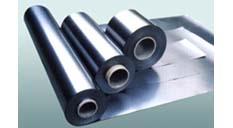
PTFE Thread Seal Tape
Discover Kaxite Sealing's PTFE Thread Seal Tape, a premium solution designed to create leak-proof seals for pipes and fittings effortlessly. Its non-sticky PTFE material ensures easy application, long-lasting durability, and chemical resistance, ideal for DIY enthusiasts, plumbers, and homeowners tackling repairs or installations. Experience peace of mind with a reliable, mess-free product that outperforms generic tapes, offering superior sealing power and hassle-free handling. Trust Kaxite Sealing for quality that works when you need it most!