- Home
- About Us
- Products
- Gaskets
- Braided Packing
- Graphite Packing
- Aramid Packing
- PTFE Packing
- Graphite PTFE Packing
- Carbon Fiber Packing
- Asbsetos Packing
- Ceramic Packing
- Fiberglass Packing
- Acrylic Packing
- Cotton Packing
- Injectable Sealant
- Synthetic Fiber Packing
- Vegetable Fiber Packing
- Mineral Fiber Packing
- Molded Packing Ring
- Die-formed Graphite Ring
- Compression Sheets
- Sealing Materials
- Sealing Machines
- Sealing Tools
- Insulation Products
- PTFE
- Metallic Gaskets
- Fep
- PFA
- News
- Download
- Send Inquiry
- Contact Us

Advanced Tape Gaskets Customized OEM Solutions for Wholesale Suppliers
The Definitive Guide to Tape Gaskets: Materials, Applications, and Selection
In the intricate world of industrial sealing, achieving a perfect, reliable, and long-lasting barrier against environmental elements is paramount. Tape gaskets have emerged as a cornerstone solution for countless sealing challenges across diverse industries, from aerospace and automotive to electronics and construction. These versatile, pressure-sensitive adhesive sealing products offer unparalleled flexibility, ease of application, and superior performance in creating airtight and watertight seals. This comprehensive guide delves into the technical specifications, material science, and practical applications of tape gaskets, providing the detailed insights necessary for engineers, procurement specialists, and maintenance professionals to make informed decisions.
Understanding Tape Gasket Technology
A tape gasket is a pre-formed, compressible sealing strip with an integrated pressure-sensitive adhesive (PSA) backing. Unlike liquid gaskets or cut gaskets, they are designed for clean, precise, and immediate application. The core functionality relies on three key components: the carrier material (which provides the sealing body and compression), the adhesive system (which ensures instant bonding to the substrate), and often, a release liner for protection before use. When compressed between two mating surfaces, the carrier material deforms to fill microscopic imperfections, creating an effective seal against fluids, gases, dust, and noise.
Core Material Types and Their Properties
The performance of a tape gasket is intrinsically linked to its material composition. Selecting the right material is critical for ensuring chemical compatibility, temperature resistance, and long-term durability.
- Closed-Cell Foams (EPDM, Neoprene, Silicone, PVC/Nitrile): These are among the most common tape gasket materials. The closed-cell structure prevents moisture ingress, making them ideal for outdoor and wash-down environments. They offer excellent compression set resistance and good thermal & acoustic insulation.
- EPDM: Outstanding weather, ozone, and UV resistance. Excellent for automotive and construction applications.
- Silicone: Superior high and low-temperature performance (-60°C to +230°C). Excellent chemical stability and FDA compliance options available.
- PVC/Nitrile (PVC Foam): Good general-purpose material with fair oil and fuel resistance. Cost-effective for indoor applications.
- Open-Cell Foams (Polyurethane, Polyester): Softer and more compressible than closed-cell foams. Excellent for sealing uneven surfaces and providing vibration damping. However, they are not suitable for liquid sealing unless specially treated.
- Rubber (Solid EPDM, Neoprene): Dense, non-porous materials offering very high compression resistance and exceptional environmental sealing. Used in high-pressure or heavy-duty flange applications.
- Thermoplastic Elastomers (TPE/TPO): Provide a balance of rubber-like properties with the processing ease of plastics. Often used in automotive and appliance sealing for their consistency and recyclability.
- Fibrous Materials (Cork & Rubber, Compressed Non-Asbestos): Traditional materials often used with flange gasketing tapes for industrial pipework, offering good sealability under bolt load.
Critical Product Parameters and Specifications
To specify the correct tape gasket, one must understand and evaluate its key physical and performance parameters. The following table outlines these critical specifications.
| Parameter | Description | Typical Range / Common Values | Importance for Selection |
|---|---|---|---|
| Thickness | The nominal dimension of the gasket before compression. | 0.5 mm to 12.7 mm (1/32" to 1/2") | Determines the gap-filling capability. Must accommodate flange separation and surface irregularities. |
| Width | The dimension of the tape across its profile. | 3 mm to 100 mm (1/8" to 4") | Must be appropriate for the sealing surface area and assembly design. |
| Density | Mass per unit volume of the carrier material (e.g., foam). | 20 kg/m³ to 400 kg/m³ (varies by material) | Affects compressibility, recovery, and sealing force. Lower density = softer, more compressible. |
| Compression Set (ASTM D395) | The material's ability to recover its original thickness after prolonged compression. | 5% to 40% (Lower % indicates better recovery) | A critical indicator of long-term sealing performance. A low compression set is essential for permanent installations. |
| Tensile Strength (ASTM D412) | The maximum stress a material can withstand while being stretched before breaking. | 100 kPa to 2000 kPa | Indicates mechanical durability and resistance to tearing during handling and installation. |
| Temperature Range | The continuous operating temperature limits. | -60°C to +230°C (-76°F to +446°F) | Must exceed the application's maximum and minimum operating temperatures. |
| Adhesive Type & Peel Strength | The strength of the bond between the PSA and the substrate (e.g., acrylic, rubber-based). | 20 N/100mm to 80 N/100mm (Peel Strength, ASTM D3330) | Determines initial tack and long-term holding power on surfaces like metal, plastic, or painted finishes. |
| Fire Rating / UL Certification | Compliance with flammability standards (e.g., UL 94, ASTM E84). | UL 94 HB, V-0, HF-1; ASTM E84 Class A | Mandatory for applications in electronics, transportation, and construction where fire safety is regulated. |
| Chemical & Fluid Resistance | Resistance to degradation from oils, fuels, solvents, acids, or alkalis. | Varies by material (e.g., Nitrile resists oils; EPDM resists polar fluids). | Must be matched to the specific chemicals present in the operating environment. |
Detailed Product Specification List
Beyond the core parameters, a complete product datasheet includes the following specifications. This list serves as a checklist for thorough evaluation.
- Material: Precise polymer type (e.g., EPDM Closed-Cell Foam, Solid Silicone Rubber).
- Color: For aesthetic matching or coding purposes (e.g., black, white, gray).
- Core Hardness (Durometer): Measured on Shore A or Shore OO scale, indicating softness/firmness.
- Water Absorption: Percentage of water absorbed by weight, crucial for closed-cell foams (typically <1%).
- Thermal Conductivity: k-factor or R-value, important for insulation applications.
- Service Life: Expected durability under stated operating conditions.
- Release Liner Type: Material of the protective backing (e.g., kraft paper, PET film, poly-coated).
- Roll Length & Core Diameter: Standard length per roll (e.g., 33 meters) and core size for dispensing equipment.
- Standards Compliance: Relevant industry standards met (e.g., RoHS, REACH, FDA CFR 177.2600).
Industry-Specific Applications
The adaptability of tape gaskets makes them indispensable in numerous sectors.
- Electronics & Enclosures: Sealing electrical cabinets, control panels, and IoT device housings against dust and water ingress (IP ratings). EMI/RFI shielding versions are available.
- Automotive & Transportation: Sealing door panels, trunk lids, headlights, HVAC systems, and battery enclosures. Materials must withstand vibration, temperature cycles, and exposure to fluids.
- HVAC & Refrigeration: Sealing air handler units, ductwork connections, and access panels to prevent air leakage and improve energy efficiency.
- Construction & Glazing: Weather-sealing windows, doors, curtain walls, and expansion joints. High-performance EPDM and silicone are prevalent.
- Medical Equipment: Sealing diagnostic device housings. Requires clean-room manufacturing, biocompatibility testing, and often USP Class VI certification.
- Industrial Machinery: Sealing guards, access panels, and fluid system flanges to contain lubricants and coolants while excluding contaminants.
Tape Gasket FAQ (Frequently Asked Questions)
Q: What is the primary advantage of using a tape gasket over a liquid gasket or a traditional cut gasket?
A: Tape gaskets offer three main advantages: ease of application, cleanliness, and consistency. They come pre-formed with an instant-grab adhesive, eliminating the mess, curing time, and mixing required for liquid sealants. Unlike die-cut gaskets, they can be easily applied to complex shapes without custom tooling, reducing waste and inventory costs. They provide a consistent seal height and material distribution across the entire joint.
Q: How do I prepare the surface before applying a tape gasket?
A: Surface preparation is critical for achieving a strong, durable bond. The surface must be clean, dry, and free of dust, oil, grease, rust, and old sealant residue. Use a lint-free cloth with a solvent like isopropyl alcohol (IPA) to wipe the surface. For optimal performance on painted or powder-coated metals, a light abrasion followed by cleaning may be recommended. Always ensure the surface temperature is within the adhesive's application range (typically above 10°C / 50°F).
Q: Can tape gaskets be used on flanges under significant bolt pressure?
A: Yes, but selection is crucial. For bolted flange applications, you must choose a tape gasket material with high density, low compression set, and sufficient thickness to handle the compression without extruding. Rubber-based or dense foam tapes are commonly used. It is essential to follow the manufacturer's guidelines for recommended compression (usually expressed as a percentage of original thickness) and torque values to avoid over-compression, which can lead to failure.
Q: What is the difference between closed-cell and open-cell foam tape gaskets, and how do I choose?
A: Closed-cell foams have sealed, non-interconnecting bubbles, making them impermeable to water and air. They are best for environmental sealing (dust, water, weather) and provide good recovery. Open-cell foams have interconnected pores, making them softer, more compressible, and breathable. They are excellent for sound damping, cushioning, and sealing against light dust, but should not be used for liquid-tight seals unless specified as "impregnated" or "coated." Choose closed-cell for outdoor/ wet environments and open-cell for acoustic/ cushioning applications.
Q: How do temperature and chemical exposure affect tape gasket selection?
A: These are perhaps the two most critical environmental factors. Always select a material whose continuous operating temperature range exceeds your application's maximum and minimum temperatures. For high heat, silicone is often the best choice. For chemical exposure, you must perform a compatibility check. For example, EPDM performs well with water, steam, and polar chemicals but swells in petroleum oils. Conversely, Nitrile-based materials resist oils and fuels but degrade with ozone and weathering. Always consult chemical resistance charts from the manufacturer.
Q: What does "compression set" mean, and why is it important?
A: Compression set is a measure of a material's permanent deformation after being compressed for an extended period at a specified temperature. It is expressed as a percentage of the original thickness that the material fails to recover. A low compression set (e.g., <10%) indicates excellent elastic recovery, meaning the gasket will maintain sealing force over its lifetime. A high compression set means the material flattens and loses its sealing ability, potentially leading to leaks. For permanent installations, always specify a tape gasket with a low compression set rating.
Q: Are there tape gaskets suitable for food contact or medical applications?
A: Yes. Specific grades of silicone, EPDM, and TPE are manufactured to comply with relevant regulations. For incidental food contact in the USA, look for materials compliant with FDA CFR 177.2600 (rubber articles for repeated use). For medical devices, materials may need to meet USP Class VI standards for biocompatibility or have ISO 10993 certification. These specialized tapes are produced in controlled, clean environments and require appropriate documentation from the supplier.
Q: How should tape gaskets be stored to maximize shelf life?
A: To preserve the adhesive's tack and the material's properties, store rolls of tape gaskets in their original packaging in a cool, dry place away from direct sunlight, heat sources, and moisture. Ideal storage temperatures are between 15°C and 25°C (59°F and 77°F). Do not store heavy objects on top of the rolls. Under proper conditions, most tape gaskets have a shelf life of 12 to 24 months from the date of manufacture.

- View as

Braided Graphite Tube
Discover Kaxite Sealing's Braided Graphite Tube: a premium, resilient sealing solution designed for high-performance applications. With exceptional heat and chemical resistance, it ensures unmatched durability and efficiency for industries like manufacturing and engineering. Experience peace of mind and enhanced reliability; choose our innovative design for superior protection. Stand out with Kaxite Sealing's commitment to quality and excellence.

Corrugated Graphite Tape
Discover Kaxite Sealing's Corrugated Graphite Tape, an innovative sealing solution for industrial applications. Its corrugated design enhances flexibility and durability, offering superior thermal resistance and reliable leak prevention. Ideal for engineers and manufacturers in high-temperature environments, it ensures peace of mind by solving tough sealing challenges with unmatched performance. Stand out with this advanced, long-lasting tape that transforms safety and efficiency. Experience the difference today!

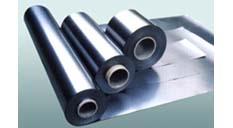
Graphite Tape For SWG
Discover Kaxite Sealing's Graphite Tape For SWG, a premium sealing solution designed for industrial use. Made from high-quality graphite, it ensures reliable sealing performance for pipelines, valves, and SWG systems, offering easy installation and durability. Perfect for engineers and technicians in demanding environments, it solves leakage issues with confidence. Its superior thermal and chemical resistance sets it apart from competitors. Experience peace of mind with our trusted quality—order now for efficient, long-lasting results.

Corrugated Graphite Tape
Discover Kaxite Sealing's Corrugated Graphite Tape, the ultimate solution for flexible, high-temperature sealing. Its corrugated design ensures superior adaptability and durability, ideal for industrial applications. Experience unmatched reliability, solving leaks efficiently while offering long-lasting performance. Trust our innovative graphite technology for a seamless, worry-free experience.

Graphite Tapes
Kaxite Sealing's Graphite Tapes offer a high-performance sealing solution for industrial and automotive applications, excelling in high-temperature and corrosive environments. Made from premium flexible graphite, they provide superior leak resistance, durability, and easy installation, perfect for engineers, mechanics, and maintenance professionals. Experience enhanced safety and efficiency in sealing pipes, flanges, and valves, solving common leakage issues with unmatched reliability. Their unique compressibility and self-lubricating properties set them apart from traditional tapes. Trust Kaxite Sealing for a seamless, long-lasting seal that boosts productivity.

Braided Graphite Tape
Kaxite Sealing presents Braided Graphite Tape: a flexible, high-temperature sealing solution for industrial applications. This durable tape excels in extreme conditions, offering superior heat resistance and a secure fit for various equipment. Ideal for engineers and maintenance professionals, it ensures reliable performance, reducing downtime and enhancing safety. Its unique braided design provides exceptional durability compared to standard tapes. Trust Kaxite Sealing for quality that delivers peace of mind in demanding environments.


