- Home
- About Us
- Products
- Gaskets
- Braided Packing
- Graphite Packing
- Aramid Packing
- PTFE Packing
- Graphite PTFE Packing
- Carbon Fiber Packing
- Asbsetos Packing
- Ceramic Packing
- Fiberglass Packing
- Acrylic Packing
- Cotton Packing
- Injectable Sealant
- Synthetic Fiber Packing
- Vegetable Fiber Packing
- Mineral Fiber Packing
- Molded Packing Ring
- Die-formed Graphite Ring
- Compression Sheets
- Sealing Materials
- Sealing Machines
- Sealing Tools
- Insulation Products
- PTFE
- Metallic Gaskets
- Fep
- PFA
- News
- Download
- Send Inquiry
- Contact Us

Compression Sheets Bulk Purchase Quality Solutions from China Manufacturer
The Ultimate Guide to Compression Sheets: Comfort, Support, and Restorative Sleep
For decades, the quest for better sleep and improved physical recovery has led to innovations in mattress technology and sleep accessories. Among the most significant advancements for those seeking therapeutic benefits are Compression Sheets. Unlike standard fitted sheets, these specialized bedding solutions are engineered to apply gentle, consistent pressure across the body. This technology, often incorporating gradient compression, is designed not just for comfort but to support circulation, muscle recovery, and overall sleep quality. Originally finding their place in medical and athletic recovery settings, compression sheets have now entered the mainstream bedroom, offering a proactive approach to wellness through the very act of sleeping.
This guide delves deep into the world of compression bedding, detailing how it works, its key benefits, and the critical specifications you should consider before making an investment in your sleep health.
How Compression Sheet Technology Works
The core principle behind compression sheets is controlled therapeutic pressure. The sheet is constructed from a blend of high-performance, elastic materials that allow it to stretch significantly more than cotton or polyester blends. When fitted onto a mattress, it doesn't just lie on top; it actively embraces the body. This embrace creates a gentle, swaddling sensation that can:
- Promote Venous Return: Gentle pressure, particularly gradient pressure that is stronger at the extremities and lighter towards the core, assists veins in pushing blood back to the heart, improving overall circulation.
- Reduce Nocturnal Movement: The light constriction can minimize restless tossing and turning, leading to less sleep disruption and more time in deep, restorative sleep stages.
- Provide Proprioceptive Input: The constant, even pressure offers soothing sensory input to the nervous system, which can have a calming effect, reducing anxiety and making it easier to fall asleep.
- Support Muscle Groups: For athletes or individuals with muscle soreness, the compression can help reduce micro-vibrations in muscle tissue and may lessen delayed onset muscle soreness (DOMS).
Detailed Product Specifications & Materials
Not all compression sheets are created equal. Quality is determined by the fabric composition, weave, compression level, and construction. Here are the key parameters to examine.
Primary Material Composition
The fabric blend is crucial for performance, durability, and feel. Our compression sheets utilize a sophisticated blend:
- Nylon (40-50%): Provides exceptional strength, elasticity, and durability. It is the primary component that delivers the consistent compressive hold.
- Spandex/Lycra (25-35%): Offers superior stretch and recovery. This high elastane content is what allows the sheet to conform tightly to the mattress and the body's contours without sagging.
- Polyester or Microfiber (20-25%): Adds softness, moisture-wicking properties, and helps maintain the fabric's shape and color vibrancy after repeated washes.
Compression Level & Fit Data
Our sheets are classified by measured compression and are designed for a specific mattress fit to ensure optimal performance.
| Model | Target Compression Level | Recommended Mattress Depth | Stretch Capacity (Beyond Mattress Size) |
|---|---|---|---|
| Everyday Wellness | Light (8-12 mmHg) | Up to 15 inches | Up to 20% expansion |
| Active Recovery | Moderate (15-20 mmHg) | Up to 18 inches | Up to 25% expansion |
| Professional Grade | Firm (20-25 mmHg) | Up to 22 inches | Up to 30% expansion |
Note: mmHg (millimeters of mercury) is the standard unit for measuring compression. 8-20 mmHg is typically considered mild to moderate, ideal for all-night wear.
Physical & Care Specifications
| Specification | Detail |
|---|---|
| Fabric Weight | 180-220 GSM (Mid-weight for durability & comfort) |
| Weave Type | Circular Knit (for 360-degree stretch and comfort) |
| Color Options | Charcoal, Navy, Silver, White |
| Care Instructions | Machine wash cold, gentle cycle. Tumble dry low. Do not bleach. Do not iron. |
| Expected Shrinkage | <3% with proper care |
| Certifications | OEKO-TEX Standard 100 (free from harmful substances) |
Frequently Asked Questions (FAQ)
Q: What is the primary benefit of using compression sheets compared to regular sheets?
A: The primary benefit is the addition of therapeutic, gentle pressure throughout the night. While regular sheets provide a covering, compression sheets actively work to improve circulation, reduce restless movement, and provide a calming, swaddled sensation that can enhance sleep quality and aid in physical recovery. They transform your bed from a passive surface into an active recovery tool.
Q: Are compression sheets safe to sleep in all night, every night?
A: Yes, when designed for sleep with appropriate pressure levels (typically in the 8-25 mmHg range), they are perfectly safe for nightly use. They are not the same as medical compression garments for specific conditions. However, if you have any pre-existing circulatory conditions, severe diabetes, or peripheral neuropathy, it is always advisable to consult with your physician before beginning use.
Q: I move a lot in my sleep. Will I feel restricted or trapped?
A: A properly designed compression sheet should not feel restrictive. The high elastane content provides a significant stretch capacity, allowing full freedom of movement like turning over. The sensation is one of gentle, even hug-like pressure, not confinement. In fact, many users find the pressure reduces the urge to toss and turn excessively.
Q: How do I choose the right compression level (mmHg)?
A: For general wellness and improved sleep, Light compression (8-12 mmHg) is an excellent starting point. For athletes or those with frequent muscle soreness seeking enhanced recovery, Moderate compression (15-20 mmHg) is often recommended. Firm compression (20-25 mmHg) is typically chosen by those familiar with compression therapy or with specific recovery needs. When in doubt, start with Light or Moderate.
Q: Do they run hot? Will I overheat during the night?
A: Modern compression sheets are engineered with breathability in mind. The synthetic blends, particularly those with moisture-wicking polyester or specialized cool-touch fibers, are designed to draw sweat away from the body and allow for air circulation. They are generally not hotter than standard microfiber sheets and are significantly more breathable than traditional rubber or non-porous compression materials.
Q: How do I care for and wash my compression sheets?
A: Care is straightforward but important for longevity. Always machine wash in cold water on a gentle cycle with mild detergent. Avoid fabric softeners and bleach, as they can break down the elastic fibers. Tumble dry on low heat or air dry. High heat is the enemy of elastane and will permanently damage the sheet's stretch and compression capabilities.
Q: Can I use a mattress topper or protector with these sheets?
A: Yes, but with consideration. The sheets need to grip the mattress surface to create effective compression. A very thick, plush, or slippery topper may impede this grip. We recommend using a thin, flat mattress protector. It's best to fit the compression sheet directly over a thin protector and avoid thick, padded toppers for optimal performance.
Q: How long do compression sheets typically last before losing their elasticity?
A: With proper care, a high-quality compression sheet should maintain over 90% of its elasticity and compression for 1-2 years of nightly use. Factors like washing in hot water, using harsh chemicals, or drying on high heat will drastically shorten this lifespan. The durable nylon and high-grade spandex blends are designed for resilience through repeated stretching and washing cycles.

- View as
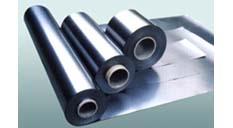
Flexible Graphite Sheet
Discover Kaxite Sealing's Flexible Graphite Sheet, a versatile sealing solution ideal for high-temperature and corrosive environments. With exceptional durability, superior conductivity, and easy installation, it outperforms alternatives for industrial and automotive applications. Experience reliable performance that solves leakage issues and enhances efficiency. Choose our innovative graphite sheet for unmatched quality and lasting results.

Graphite Sheet Reinforced With Metal Foil
Boost your sealing solutions with Kaxite Sealing’s Graphite Sheet Reinforced With Metal Foil, a durable high-performance gasket ideal for industrial applications. This product combines flexible graphite with robust metal foil for superior heat resistance and compression, ensuring reliable sealing in demanding environments. Perfect for engineers, manufacturers, and maintenance professionals in automotive, aerospace, and machinery sectors, it enhances efficiency by preventing leaks and reducing downtime. Feel confident with enhanced durability and performance that outperforms standard graphite sheets, thanks to its reinforced design. Experience unmatched reliability—upgrade to Kaxite Sealing's advanced solution today.

Graphite Sheet Reinforced With Tanged Metal
Kaxite Sealing's Graphite Sheet Reinforced With Tanged Metal offers superior sealing and thermal conductivity for industrial applications. Featuring a unique metal-reinforced design, it ensures durability and reliability, ideal for engineers and manufacturers. Experience enhanced performance and confidence in critical systems. Stand out with innovative technology that solves leakage and heat issues effectively.

Flexible Graphite Sheet
Kaxite Sealing introduces the Flexible Graphite Sheet, a versatile sealing solution crafted from high-quality materials for exceptional thermal and chemical resistance. Ideal for industries like manufacturing and HVAC, it provides a reliable, easy-to-install option that boosts efficiency and durability. Experience peace of mind with our innovative design, tailored to solve complex sealing challenges uniquely. Upgrade your operations today!
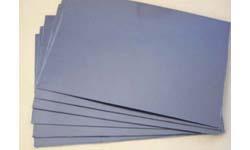
Graphite Sheet Reinforced With Metal Foil
Discover Kaxite Sealing's Graphite Sheet Reinforced With Metal Foil, a cutting-edge sealing solution designed for high-performance applications in industries like automotive, aerospace, and electronics. This product combines flexible graphite with robust metal foil reinforcement, offering superior heat resistance, durability, and airtight sealing even under extreme conditions. Ideal for engineers and manufacturers seeking reliable, long-lasting materials, it solves leakage and wear issues, ensuring peace of mind and enhanced efficiency. Stand out with its unique fusion of lightweight flexibility and metal strength, outperforming standard graphite sheets. Trust Kaxite Sealing for premium quality that delivers results and transforms your projects into success stories.
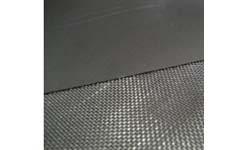
Graphite Sheet Reinforced With Tanged Metal
Discover Kaxite Sealing's Graphite Sheet Reinforced With Tanged Metal: an advanced sealing solution offering superior durability and heat resistance for demanding industrial applications. Its unique tanged metal reinforcement provides unmatched flexibility and strength, perfect for engineers and technicians in high-temperature environments. Experience enhanced reliability and peace of mind—upgrade your sealing performance today with this game-changing innovation.


