- Home
- About Us
- Products
- Gaskets
- Braided Packing
- Graphite Packing
- Aramid Packing
- PTFE Packing
- Graphite PTFE Packing
- Carbon Fiber Packing
- Asbsetos Packing
- Ceramic Packing
- Fiberglass Packing
- Acrylic Packing
- Cotton Packing
- Injectable Sealant
- Synthetic Fiber Packing
- Vegetable Fiber Packing
- Mineral Fiber Packing
- Molded Packing Ring
- Die-formed Graphite Ring
- Compression Sheets
- Sealing Materials
- Sealing Machines
- Sealing Tools
- Insulation Products
- PTFE
- Metallic Gaskets
- Fep
- PFA
- News
- Download
- Send Inquiry
- Contact Us

High-Quality China Cork Sheets Manufacturers for OEM and ODM Bulk Solutions
Why Choose Cork Sheets?
Cork is a remarkable natural material, harvested from the bark of the cork oak tree without harming the tree itself. This makes it a truly sustainable and renewable resource. Cork sheets are versatile panels made by compressing granulated cork under heat and pressure. The resulting material is lightweight, durable, and possesses a unique set of properties that make it ideal for a wide range of applications, from home improvement and DIY projects to commercial design and industrial uses. Its natural composition gives it excellent thermal and acoustic insulation, resilience, and a warm, organic aesthetic that is increasingly sought after in modern design.
Key Features and Benefits
- Natural and Sustainable: Cork is eco-friendly, biodegradable, and harvested in a way that promotes forest health.
- Shock Absorbent & Resilient: Compresses under pressure and bounces back to its original shape, perfect for flooring or pinboards.
- Excellent Insulator: Provides both thermal insulation, helping to regulate temperature, and acoustic insulation, dampening sound.
- Impermeable to Liquids & Gases: Its unique cellular structure makes it naturally resistant to moisture and liquid penetration.
- Hypoallergenic & Antimicrobial: Resists mold, mildew, and dust mites, contributing to better indoor air quality.
- Fire Retardant: Cork is naturally slow to ignite and does not release toxic fumes when burning.
- Easy to Work With: Can be easily cut, shaped, and glued using standard woodworking tools.
Detailed Product Specifications
Our cork sheets are available in various grades and sizes to suit specific project requirements. Below is a breakdown of our standard product line. Custom sizes and thicknesses are available upon request for bulk orders.
Standard Size & Thickness Chart
| Product Code | Thickness | Sheet Dimensions (W x L) | Density | Primary Applications |
|---|---|---|---|---|
| CS-3 | 3mm (1/8") | 24" x 36" / 610mm x 915mm | Medium (approx. 11-12 lbs/ft³) | Crafting, lining drawers, underlayment for laminate flooring, bulletin boards. |
| CS-6 | 6mm (1/4") | 24" x 48" / 610mm x 1220mm | Medium-High (approx. 12-13 lbs/ft³) | Wall panels, acoustic tiles, notice boards, table protectors. |
| CS-12 | 12mm (1/2") | 24" x 48" / 610mm x 1220mm | High (approx. 13-14 lbs/ft³) | Flooring underlayment, heavy-duty acoustic insulation, industrial gaskets. |
| CS-18 | 18mm (3/4") | 24" x 36" / 610mm x 915mm | High (approx. 13-14 lbs/ft³) | Commercial flooring substrates, specialized thermal breaks, high-traffic area insulation. |
Technical Properties Table
| Property | Test Method / Unit | Typical Value (12mm Sheet) | Notes |
|---|---|---|---|
| Thermal Conductivity (k-value) | ASTM C518 / W/m·K | 0.037 - 0.040 | Excellent insulating property. |
| Noise Reduction Coefficient (NRC) | ASTM C423 | 0.70 - 0.80 | High sound absorption rating. |
| Fire Reaction | ASTM E84 | Class A (Flame Spread ≤25) | Meets standard building code requirements. |
| Water Vapor Permeability | ASTM E96 / perms | 3.5 - 5.5 | Breathable yet resistant to liquid water. |
| Compression Recovery | ASTM D1667 / % | >90% after 24h | Superb resilience under long-term load. |
Frequently Asked Questions (FAQ)
Q: Can cork sheets be used as flooring?
A: Yes, but with important considerations. Thinner sheets (3-6mm) are typically used as an underlayment beneath hardwood, laminate, or engineered flooring to provide cushioning, thermal insulation, and sound dampening. For a finished cork floor, it is recommended to use specifically manufactured cork floor tiles or planks that have a durable wear layer and protective finish. Our 12mm and 18mm sheets can serve as an excellent substrate for such installations.
Q: How do I cut and install cork sheets?
A: Cork is user-friendly and can be cut with standard tools. For straight cuts, use a sharp utility knife, a straight edge, and score multiple times. For intricate shapes, a jigsaw or band saw works well. Always wear a dust mask. For installation, ensure the substrate is clean, dry, and level. Use a contact adhesive (for permanent bonds to walls or floors) or a PVA wood glue (for crafts or pinboards). Apply adhesive to both surfaces, allow it to become tacky, then carefully position the sheet. Use a roller to ensure full contact and eliminate air bubbles.
Q: Are cork sheets waterproof?
A: Cork is water-resistant, not completely waterproof. Its cellular structure, filled with suberin (a waxy substance), makes it highly impermeable to liquids and gases in the short term. It will not rot or swell immediately upon contact with water. However, prolonged exposure to standing water or excessive moisture can eventually penetrate. For areas like bathrooms or kitchens, it is crucial to seal the cork with a appropriate sealer (like polyurethane) to create a waterproof barrier.
Q: How do I clean and maintain cork sheeting?
A: Maintenance is simple. For unsealed cork, dry dusting or vacuuming is sufficient. For light cleaning, use a damp (not wet) cloth with a mild pH-neutral soap. Avoid harsh chemicals, abrasive cleaners, or excessive water. For sealed cork sheets (e.g., on a floor or wall), you can use cleaners recommended for sealed hardwood floors. To protect the surface from dents or heavy wear, use protective pads under furniture and avoid dragging sharp objects across it.
Q: What is the R-value of cork insulation?
A: The R-value measures thermal resistance. Cork has an excellent R-value per inch compared to many other materials. Typically, cork sheeting has an R-value of approximately 3.6 to 4.0 per inch of thickness. For example, our 12mm (1/2") sheet has an R-value of roughly R-1.8 to R-2.0. This makes it an effective natural insulator for walls, floors, and ceilings, helping to reduce energy costs.
Q: Can cork be painted or stained?
A: Yes, cork can be customized. For staining, use a light hand as cork is absorbent; test on a scrap piece first. Water-based stains are recommended. For painting, especially on pinboards or craft projects, use acrylic paints. It is often advisable to apply a primer first to seal the surface and prevent excessive paint absorption. For a clear finish that enhances the natural look while offering protection, use a water-based polyurethane or cork-specific sealer.
Q: Is cork safe for people with allergies?
A: Absolutely. Cork is naturally hypoallergenic. Its impermeable structure does not absorb dust or pollen, and it resists mold, mildew, and mites. This makes it an excellent choice for wall coverings, flooring, and furniture in homes, schools, and healthcare facilities where indoor air quality is a priority. It also does not off-gas volatile organic compounds (VOCs) like some synthetic materials.
Q: What is the lifespan of a cork sheet?
A: The lifespan is exceptionally long, especially when used indoors and properly maintained. Cork's resilience allows it to withstand compression and return to shape for decades. In low-traffic applications like bulletin boards or insulation, it can last a lifetime. As a flooring underlayment or wall panel, it will last as long as the building itself. Its natural resistance to decay and insects further contributes to its longevity.
Popular Applications
- Home & Office: Bulletin/notice boards, table protectors, desk pads, coaster bases, pin-up walls in home offices, craft projects.
- Building & Construction: Thermal insulation for walls, floors, and roofs; acoustic insulation panels in theaters, studios, and homes; expansion joint filler; flooring underlayment.
- Industrial: Gaskets, vibration damping pads, machinery insulation, protective packaging for delicate instruments.
- Retail & Display: Sustainable product displays, natural backdrop panels, signage bases.

- View as

Cork Rubber Sheet
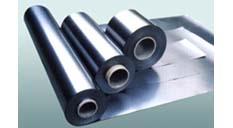
Discover Kaxite Sealing's Cork Rubber Sheet, a durable and versatile sealing solution ideal for industrial, automotive, and DIY projects. Combining natural cork with resilient rubber, it offers excellent compression, insulation, and longevity, outperforming standard materials for reliable leak prevention and noise reduction. Perfect for professionals and enthusiasts seeking high-performance, eco-friendly seals that ensure peace of mind and efficiency.

Cork Sheet
Discover Kaxite Sealing's Cork Sheet, a versatile natural material ideal for sealing, insulating, and crafting. Made from sustainable cork, it offers superior cushioning and eco-friendly performance, perfect for DIY enthusiasts, home improvers, and eco-conscious individuals seeking durability and style. Feel the satisfaction of a snug, noise-reducing seal that solves uneven gaps. Unlike synthetic alternatives, its unique breathability and aesthetic appeal set it apart. Experience quality and reliability with every sheet—enhance your projects today!

Neoprene Rubber Superior Sealing Cork Rubber Sheet
Elevate your sealing solutions with Kaxite Sealing's Neoprene Rubber Superior Sealing Cork Rubber Sheet. This premium-grade material excels in durability and resilience, offering superior leak-proof performance for industrial, automotive, and home DIY projects. Ideal for engineers, contractors, or DIY enthusiasts, it ensures reliable sealing in demanding conditions. Experience peace of mind with enhanced protection and long-lasting results. Its unique cork composite provides unmatched flexibility and resistance, setting it apart from standard rubber sheets. Choose Kaxite Sealing for trustworthy quality and expert-grade reliability.


