- Home
- About Us
- Products
- Gaskets
- Braided Packing
- Graphite Packing
- Aramid Packing
- PTFE Packing
- Graphite PTFE Packing
- Carbon Fiber Packing
- Asbsetos Packing
- Ceramic Packing
- Fiberglass Packing
- Acrylic Packing
- Cotton Packing
- Injectable Sealant
- Synthetic Fiber Packing
- Vegetable Fiber Packing
- Mineral Fiber Packing
- Molded Packing Ring
- Die-formed Graphite Ring
- Compression Sheets
- Sealing Materials
- Sealing Machines
- Sealing Tools
- Insulation Products
- PTFE
- Metallic Gaskets
- Fep
- PFA
- News
- Download
- Send Inquiry
- Contact Us

High-Quality Non Asbestos Sheets Manufacturer for OEM Solutions
What Are Non Asbestos Sheets?
For decades, the construction and industrial sectors relied heavily on asbestos-based materials for their durability and fire-resistant properties. However, the severe health hazards linked to asbestos fibers led to a global phase-out and a pressing need for safer, high-performance alternatives. Non asbestos sheets emerged as the definitive solution. These engineered sheets are manufactured using a blend of synthetic fibers, cellulose, and cementitious materials, completely eliminating any asbestos content. They are designed to match or exceed the performance of traditional asbestos cement sheets in terms of strength, weather resistance, and fire safety, making them the responsible and modern choice for a wide range of applications, from roofing and cladding to interior partitions and fire protection systems.
Key Benefits & Applications of Non-Asbestos Sheets
The shift to non-asbestos technology is driven not only by safety but also by superior performance characteristics. These sheets offer a versatile and durable building solution.
Primary Benefits:
- Complete Health Safety: Pose no risk of lung diseases like asbestosis or mesothelioma, ensuring a safe environment for workers and occupants.
- Exceptional Durability: Highly resistant to impact, weathering, corrosion, and rot, ensuring a long service life even in harsh conditions.
- Superior Fire Resistance: Classified as non-combustible (typically Class A or Class 1 fire-rated), they do not contribute to fire spread and can contain it for extended periods.
- Excellent Weatherproofing: Impervious to water, UV radiation, and extreme temperature fluctuations, preventing degradation and leakage.
- Low Maintenance: Require minimal upkeep, are easy to clean, and do not require protective sealing or coatings in most applications.
- Design Flexibility: Available in various profiles (corrugated, flat, tile-effect), textures, and colors to suit diverse architectural styles.
Common Applications:
- Industrial & Commercial Roofing: Factories, warehouses, agricultural buildings.
- Wall Cladding & Siding: For exterior facades and interior walls requiring durability.
- Fire-Rated Partitions & Ceilings: In commercial buildings, hospitals, and schools for compartmentation.
- Verandahs, Patios & Carports: As a robust and weather-resistant covering.
- Lining for Ovens & Boilers: Due to high heat resistance.
- General Purpose Sheeting: For sheds, fences, and landscaping uses.
Technical Specifications & Product Range
Our non asbestos sheets are engineered to meet stringent international standards. Below is a detailed overview of our core product parameters.
Standard Material Composition:
- Base Binder: Portland Cement
- Reinforcing Fibers: A proprietary blend of synthetic polymers (e.g., PVA, PP) and cellulose fibers.
- Additives: Silica, fillers, and processing aids for enhanced performance and workability.
- Asbestos Content: 0% (Fully asbestos-free, certified).
Physical & Mechanical Properties Table:
| Property | Test Standard | Typical Value / Range | Remarks |
|---|---|---|---|
| Density | ASTM C1185 | 1.6 - 1.8 g/cm³ | High strength-to-weight ratio. |
| Flexural Strength | ASTM C1185 | 12 - 18 MPa | Excellent load-bearing capacity for roofing. |
| Impact Resistance | ISO 7892 / ASTM D2794 | Classified as High | Resists hail, debris, and mechanical damage. |
| Water Absorption | ASTM C1185 | < 20% by weight | Low absorption prevents freeze-thaw damage. |
| Fire Performance | ASTM E84 / BS 476 | Class A (Non-combustible) | Flame spread index <25, zero smoke development. |
| Thermal Conductivity | ISO 8301 | ~0.4 W/m·K | Provides moderate thermal insulation. |
| Durability (Frost/Thaw) | ASTM C666 | Passes >100 cycles | Suitable for all climatic zones. |
Available Product Profiles & Sizes:
| Profile Type | Standard Thickness | Standard Sheet Size (mm) | Cover Width (mm) | Primary Use |
|---|---|---|---|---|
| Corrugated (Big 6) | 5.5 mm, 6 mm | 2400 x 1200 | 1050 | Traditional roofing & cladding. |
| Corrugated (Versatile) | 5 mm, 6 mm | Custom lengths up to 3000 | 870 - 950 | Modern industrial applications. |
| Flat Sheet | 4.5 mm, 6 mm, 9 mm, 12 mm | 2400 x 1200, 3000 x 1200 | Full Sheet | Ceilings, partitions, signage, flooring underlay. |
| Tile Effect / Shingle | 6 mm | Various modular sizes | As per design | Aesthetic residential & commercial roofing. |
Frequently Asked Questions (FAQ) About Non Asbestos Sheets
Q: Are non asbestos sheets completely safe?
A: Yes, absolutely. Non asbestos sheets are manufactured without any asbestos fibers. The reinforcing fibers used are typically synthetic (like PVA or polypropylene) or natural cellulose, which are chemically and physically stable and pose no known health risks similar to asbestos. They are safe to handle, cut, and install with standard dust control measures, unlike their hazardous asbestos counterparts.
Q: How do the strength and durability compare to old asbestos cement sheets?
A: Modern non asbestos sheets are engineered to meet or exceed the performance of traditional asbestos cement. They have comparable, and often superior, flexural strength, impact resistance, and load-bearing capacity. Advances in fiber technology and cement formulation have resulted in products that are more consistent in quality and highly durable against weathering, chemical exposure, and physical stress, ensuring a longer, maintenance-free lifespan.
Q: Can they withstand extreme weather conditions?
A: Yes, they are designed for exceptional weather resistance. Non asbestos sheets have very low water absorption, which prevents damage from freeze-thaw cycles in cold climates. They are also highly resistant to UV degradation, corrosion, and wind uplift (when correctly fixed). Their performance is certified for use in severe weather zones, including coastal areas with high salinity.
Q: What is the fire rating of these sheets?
A: High-quality non asbestos sheets are inherently non-combustible. They typically achieve a Class A fire rating (ASTM E84) or Class 1 (BS 476), which is the highest classification for building materials. They will not ignite, contribute to fire spread, or produce significant toxic smoke, making them an excellent choice for fire-sensitive applications and improving overall building safety.
Q: How are they installed and cut? Are special tools or precautions needed?
A: Installation is straightforward and similar to other fiber cement products. They can be cut using standard tools like a guillotine, score-and-snap tool, or a diamond-tipped blade on a circular saw or angle grinder. To minimize dust (common when cutting any cement-based product), it is recommended to use water suppression or dust extraction and wear a basic particulate mask (P2/N95) and safety glasses. No special hazardous material protocols are required.
Q: Do they require painting or sealing?
A: Generally, no. Most non asbestos sheets come from the factory with a high-quality, integrated coating or through-body color that provides long-lasting protection and color stability. They do not require additional sealing or painting for waterproofing. However, painting for aesthetic refreshment is possible using acrylic or masonry paints after proper surface preparation.
Q: What is the typical lifespan of a non-asbestos sheet roof or cladding?
A: When installed correctly, non asbestos sheets have an exceptionally long service life. Manufacturers often provide warranties of 25 to 50 years. In practice, they can last for several decades with minimal maintenance, as they are immune to rot, rust, and insect damage. Their longevity is a key factor in their life-cycle cost-effectiveness.
Q: Can they be recycled at the end of their life?
A: The recyclability is improving. While traditional asbestos cement is classified as hazardous waste, non asbestos sheets are generally considered non-hazardous waste. The primary component is cement, which can be crushed and potentially used as aggregate in certain applications or road base, though local recycling facilities' capabilities vary. It is always best to check with local waste management authorities for the most current disposal and recycling guidelines.

- View as

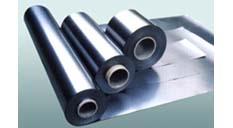
Non-Asbestos Latex Paper
Kaxite Sealing's Non-Asbestos Latex Paper offers a safe, durable sealing solution for industrial and residential applications. Made with premium latex, it ensures superior performance while eliminating asbestos risks, making it ideal for contractors and DIY enthusiasts. Its unique blend guarantees easy handling and long-lasting results, enhancing safety and peace of mind. Choose it for reliable, eco-friendly sealing that stands out from alternatives—contact Kaxite Sealing today for premium quality.

Non-Asbestos Jointing Sheets
Discover Kaxite Sealing's Non-Asbestos Jointing Sheets: premium sealing solutions designed for industries requiring robust, safe gasket materials. Their superior durability, chemical resistance, and eco-friendly composition ensure leak-free performance in high-pressure environments like plumbing, automotive, and manufacturing. Ideal for engineers and maintenance professionals, these sheets provide peace of mind by enhancing safety and reliability. Stand out with unmatched flexibility and longevity compared to asbestos alternatives—trust Kaxite Sealing for quality that seals the deal.


