- Home
- About Us
- Products
- Gaskets
- Braided Packing
- Graphite Packing
- Aramid Packing
- PTFE Packing
- Graphite PTFE Packing
- Carbon Fiber Packing
- Asbsetos Packing
- Ceramic Packing
- Fiberglass Packing
- Acrylic Packing
- Cotton Packing
- Injectable Sealant
- Synthetic Fiber Packing
- Vegetable Fiber Packing
- Mineral Fiber Packing
- Molded Packing Ring
- Die-formed Graphite Ring
- Compression Sheets
- Sealing Materials
- Sealing Machines
- Sealing Tools
- Insulation Products
- PTFE
- Metallic Gaskets
- Fep
- PFA
- News
- Download
- Send Inquiry
- Contact Us

Custom PTFE Teflon Sheets Manufacturer with China Factory Solutions
Teflon PTFE Sheet: The Ultimate High-Performance Industrial Material
In the demanding world of industrial manufacturing and engineering, finding materials that can withstand extreme conditions while maintaining reliability is paramount. Teflon PTFE (Polytetrafluoroethylene) sheet stands out as a premier solution, offering an unparalleled combination of chemical resistance, thermal stability, and low friction. This versatile fluoropolymer sheet is engineered to perform where other materials fail, making it a critical component across aerospace, automotive, chemical processing, food and beverage, and electrical industries.
This comprehensive guide delves into the specifications, properties, and applications of Teflon PTFE sheet, providing the detailed technical information needed for engineers, procurement specialists, and fabricators to make informed decisions.
**Core Properties and Advantages**
The exceptional performance of Teflon PTFE sheet stems from its unique molecular structure. Its key advantages include:
* **Extreme Chemical Resistance:** Inert to virtually all industrial chemicals and solvents, including strong acids, bases, and oxidizing agents. It is unaffected by moisture and does not dissolve in any known solvent below 300°C (572°F).
* **Exceptional Thermal Stability:** Operates continuously from cryogenic temperatures as low as -268°C (-450°F) up to +260°C (+500°F) without losing its structural integrity or properties.
* **Ultra-Low Coefficient of Friction:** Possesses the lowest coefficient of friction of any known solid material (typically 0.05 – 0.10), making it an excellent choice for bearings, seals, and wear plates.
* **Excellent Dielectric Properties:** A superb electrical insulator with a high dielectric strength, low dielectric constant, and low dissipation factor across a wide frequency and temperature range.
* **Non-Stick and Non-Adhesive:** Its non-wetting surface prevents adhesion of most materials, facilitating easy clean-up and preventing material buildup.
* **Weather and UV Resistance:** Highly resistant to weathering and ultraviolet light, ensuring long-term performance in outdoor applications.
* **FDA Compliance:** Certain grades are compliant with FDA regulations (CFR 21), making them suitable for food contact and pharmaceutical processing applications.
**Detailed Product Parameters and Specifications**
Our Teflon PTFE sheets are manufactured to the highest quality standards, available in various forms—virgin, glass-filled, carbon-filled, bronze-filled, and more—to meet specific application requirements. Below are the detailed technical specifications.
**Standard Physical & Mechanical Properties Table**
| Property | Test Method | Value Range (Virgin PTFE) | Units | Notes |
| :--- | :--- | :--- | :--- | :--- |
| **Density** | ASTM D792 | 2.14 – 2.20 | g/cm³ | |
| **Tensile Strength** | ASTM D638 | 20 – 35 | MPa (psi) | Varies with filler type |
| **Elongation at Break** | ASTM D638 | 200 – 400 | % | |
| **Compressive Strength** | ASTM D695 | 12 – 15 | MPa | At 1% deformation |
| **Flexural Modulus** | ASTM D790 | 400 – 700 | MPa | |
| **Coefficient of Friction (Dynamic)** | ASTM D1894 | 0.05 – 0.10 | | Against polished steel |
| **Hardness, Shore D** | ASTM D2240 | 50 – 65 | | |
**Thermal & Electrical Properties Table**
| Property | Test Method | Value Range (Virgin PTFE) | Units | Notes |
| :--- | :--- | :--- | :--- | :--- |
| **Continuous Service Temperature** | – | -268 to +260 | °C | Short term to 300°C |
| **Melting Point** | – | 327 | °C | |
| **Thermal Conductivity** | ASTM C177 | 0.25 | W/m·K | |
| **Coefficient of Linear Thermal Expansion** | ASTM D696 | 100 – 150 x 10⁻⁶ | /°C | |
| **Dielectric Strength** | ASTM D149 | 20 – 25 | kV/mm | Short-term, 1mm thick |
| **Dielectric Constant** | ASTM D150 | 2.1 | @ 1 MHz | |
| **Dissipation Factor** | ASTM D150 | < 0.0002 | @ 1 MHz | |
| **Volume Resistivity** | ASTM D257 | >10¹⁸ | Ω·cm | |
**Standard Available Sizes and Forms**
Our Teflon PTFE sheet inventory is extensive. Custom sizes and thicknesses can be produced upon request.
* **Sheet Thickness:** Ranges from 0.5mm (0.020") to 50mm (2.0") and beyond.
* **Standard Sheet Sizes:**
* 1000mm x 1000mm (39.4" x 39.4")
* 1200mm x 1200mm (47.2" x 47.2")
* 1500mm x 1500mm (59.1" x 59.1")
* 2000mm x 1000mm (78.7" x 39.4")
* **Colors:** Standard white (virgin), also available in black, brown, and other colors for filled compounds.
* **Grades:**
* **Virgin PTFE:** Highest purity, excellent electrical properties, maximum chemical resistance.
* **Glass-Filled PTFE (e.g., 15%, 25%):** Improved wear resistance, reduced creep (cold flow), higher stiffness.
* **Carbon-Filled PTFE:** Enhanced wear resistance, excellent conductivity for static dissipation, higher rigidity.
* **Bronze-Filled PTFE:** Superior wear resistance and thermal conductivity, excellent for heavy-duty bearing applications.
* **Stainless Steel-Filled PTFE:** High load capacity, excellent wear resistance, and thermal conductivity.
* **MoS2 (Molybdenum Disulfide) Filled PTFE:** Lower friction, improved wear resistance in non-lubricated applications.
**Common Applications of Teflon PTFE Sheet**
The versatility of this material leads to its use in countless critical applications:
* **Gaskets & Seals:** Flange gaskets, valve seals, and pump diaphragms for aggressive chemical service.
* **Bearings & Bushings:** Slide pads, wear plates, and low-friction bearings, especially in food machinery or chemical environments.
* **Electrical Insulation:** Slot liners, coil insulators, and high-frequency circuit boards.
* **Non-Stick Surfaces:** Liners for heat sealers, conveyor belts in food processing, and release sheets in composite molding.
* **Chemical Processing:** Tank linings, spacers, and lab equipment due to its impervious nature.
* **Aerospace:** Seals and insulators in fuel and hydraulic systems.
**Frequently Asked Questions (FAQ) About Teflon PTFE Sheet**
**What is the main difference between PTFE and "Teflon"?**
"Teflon" is a brand name for PTFE (Polytetrafluoroethylene) originally registered by Chemours (formerly DuPont). While "Teflon" is often used generically, it specifically refers to PTFE products from that manufacturer. Our sheets are high-performance PTFE meeting or exceeding the material properties associated with the Teflon brand.
**Can Teflon PTFE sheets be machined or fabricated?**
Yes, PTFE sheets are highly machinable using standard metalworking or woodworking tools, such as lathes, mills, drills, and saws. Sharp tools and proper speeds/feeds are recommended to achieve clean cuts and prevent material tearing. It can be skived, punched, stamped, or laser-cut into complex shapes.
**What are the limitations of PTFE regarding "cold flow" or creep?**
A known characteristic of virgin PTFE is its tendency to deform under sustained heavy loads (cold flow). This is a primary reason for using filled compounds (glass, carbon, bronze). For static sealing applications under high bolt load, proper gasket design and torque procedures are crucial to manage this behavior.
**Is PTFE suitable for high-pressure applications?**
PTFE has excellent chemical resistance under pressure but its mechanical strength is lower than metals. It is widely used as a liner in pipes and vessels where a metal shell provides structural support. For gaskets, it is commonly used in full-face or ring-type configurations with appropriate compression limits.
**How do I choose between virgin and filled PTFE sheets?**
Selection depends on the application's priority. Use **virgin PTFE** for maximum chemical purity, best electrical properties, or FDA-contact applications. Choose **filled PTFE** (glass, carbon, bronze) when you need improved wear resistance, reduced creep, higher stiffness, better thermal conductivity, or static dissipation.
**Is PTFE safe for food contact and medical use?**
Yes, virgin, unpigmented PTFE resin is FDA compliant under CFR Title 21 for repeated food contact. It is also USP Class VI approved, indicating biocompatibility for certain medical device applications. Always verify the specific grade's certification for your intended use.
**How does temperature affect the properties of PTFE sheet?**
PTFE retains its flexibility and toughness down to cryogenic temperatures. At high temperatures (above 260°C/500°F), it may begin to thermally degrade, emitting fumes. Its mechanical strength decreases as temperature increases, so load-bearing capacity must be derated at elevated temperatures.
**Can PTFE sheets be bonded or welded together?**
PTFE is notoriously difficult to bond due to its non-stick nature. Specialized surface treatments (like sodium etching or plasma treatment) are required to create a bondable surface for use with specific adhesives. Thermal welding (hot gas, hot plate) is possible but requires expertise.
**What are the key considerations for designing a gasket from PTFE sheet?**
Critical factors include: selecting the correct grade (virgin vs. filled), determining the appropriate thickness for the flange and pressure, calculating the required compression to seal without over-compressing (causing cold flow), and ensuring the sheet can handle the chemical and thermal environment.
**How should PTFE sheets be stored and handled?**
Store sheets in a cool, dry place away from direct sunlight and heat sources. They should be kept flat to prevent curling or deformation. Handle with clean gloves to avoid contamination, especially for electrical or sanitary grades.

- View as

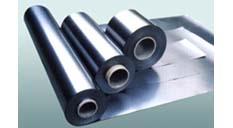
PTFE Molded Sheet
Discover the exceptional Kaxite Sealing PTFE Molded Sheet, engineered for unparalleled chemical resistance and durability in demanding sealing applications. Ideal for industrial professionals, this high-performance sheet offers superior reliability, ensuring peace of mind and long-term cost savings.

PTFE Resin Moded Sheet
Kaxite Sealing introduces the PTFE Resin Moded Sheet, a premium sealing solution engineered for durability and reliability across demanding industrial applications. Made from high-quality PTFE resin, it ensures exceptional chemical resistance, low friction, and thermal stability, ideal for users in manufacturing, automotive, and aerospace sectors. Experience enhanced performance and peace of mind—upgrade your sealing needs with our innovative, superior-quality sheet designed to exceed expectations.

UHMW PE Tube, Rod And Sheet
Discover Kaxite Sealing's UHMW PE Tube, Rod And Sheet for superior durability and low friction in demanding applications. Ideal for industrial and mechanical use, its high-impact resistance offers reliable performance, setting it apart from competitors. Experience enhanced efficiency and longevity, solving wear-and-tear challenges seamlessly.
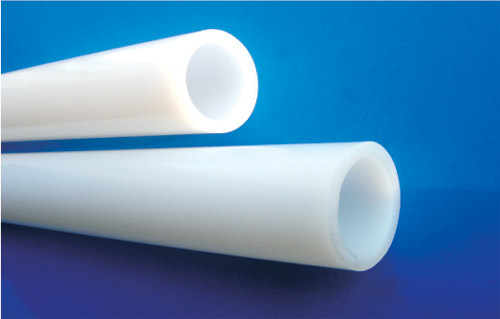
UHMW PE Tube, Rod And Sheet
Discover Kaxite Sealing's premium UHMW PE Tube, Rod And Sheet, engineered for unparalleled durability and low friction. Ideal for industrial applications, this material offers superior wear resistance, easy machining, and chemical stability. Perfect for engineers and manufacturers seeking reliable solutions in harsh environments, it ensures smoother operations and reduced maintenance costs. Stand out with our high-quality, versatile products designed to enhance efficiency and longevity. Experience the Kaxite Sealing difference today and elevate your projects to new heights!
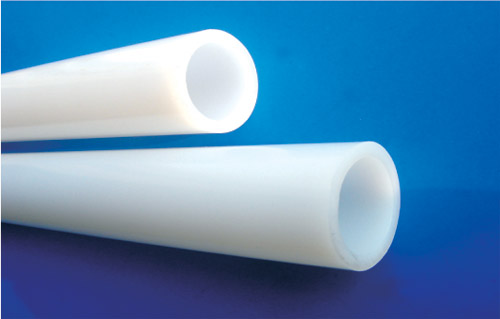
UHMW PE Tube, Rod And Sheet
Kaxite Sealing UHMW PE Tube, Rod, and Sheet offer superior durability and low friction for demanding industrial applications. Key advantages include exceptional wear resistance, chemical stability, and ease of machining. Ideal for engineers and manufacturers in sectors like automotive and food processing, these products solve abrasion and corrosion issues, ensuring long-lasting performance with a quality commitment.

UHMW PE Tube, Rod And Sheet
Discover Kaxite Sealing's premium UHMW PE Tube, Rod, and Sheet—engineered for high-performance industrial applications. With exceptional durability, low friction, and superior chemical resistance, these materials excel in machinery, conveyors, and wear-resistant components. Ideal for engineers and manufacturers in demanding environments, they ensure reliability and efficiency, reducing maintenance costs. Experience enhanced productivity and peace of mind with our trusted quality. Stand out with Kaxite Sealing's commitment to innovation and value.


