- Home
- About Us
- Products
- Gaskets
- Braided Packing
- Graphite Packing
- Aramid Packing
- PTFE Packing
- Graphite PTFE Packing
- Carbon Fiber Packing
- Asbsetos Packing
- Ceramic Packing
- Fiberglass Packing
- Acrylic Packing
- Cotton Packing
- Injectable Sealant
- Synthetic Fiber Packing
- Vegetable Fiber Packing
- Mineral Fiber Packing
- Molded Packing Ring
- Die-formed Graphite Ring
- Compression Sheets
- Sealing Materials
- Sealing Machines
- Sealing Tools
- Insulation Products
- PTFE
- Metallic Gaskets
- Fep
- PFA
- News
- Download
- Send Inquiry
- Contact Us

Customized Rubber Gaskets for OEM and ODM Solutions from Quality China Manufacturers
What Are Rubber Gaskets and How Do They Work?
In the world of engineering and manufacturing, creating a perfect seal between two or more mating surfaces is a fundamental challenge. This is where rubber gaskets come into play. A rubber gasket is a mechanical seal, typically ring-shaped, designed to fill the space between two components. Its primary function is to prevent leakage—whether of liquids, gases, or particulate matter—under varying conditions of compression, temperature, and pressure. By deforming to fill microscopic imperfections on flange faces, they create a tight, secure barrier. These components are indispensable across countless industries, from automotive and aerospace to plumbing, electronics, and industrial machinery, ensuring systems operate safely, efficiently, and reliably.
Key Material Types for Rubber Gaskets
The performance, longevity, and suitability of a gasket are predominantly determined by its base material. Selecting the correct rubber compound is critical for compatibility with media, temperature ranges, and environmental conditions.
- Nitrile Rubber (NBR/Buna-N): Excellent resistance to oils, fuels, and solvents. Ideal for automotive and fuel system applications. Temperature range: -40°C to +120°C (-40°F to +248°F).
- Ethylene Propylene Diene Monomer (EPDM): Outstanding weather, ozone, and steam resistance. Perfect for outdoor applications, coolant systems, and plumbing. Temperature range: -50°C to +150°C (-58°F to +302°F).
- Silicone Rubber: Exceptional flexibility across an extreme temperature range. Excellent for food-grade, medical, and high/low-temperature static sealing. Temperature range: -60°C to +230°C (-76°F to +446°F).
- Fluoroelastomer (FKM/Viton®): Premium resistance to high temperatures, fuels, oils, acids, and aggressive chemicals. Used in aerospace, chemical processing, and severe environments. Temperature range: -20°C to +200°C (-4°F to +392°F).
- Neoprene (CR): Good all-purpose resistance to weather, ozone, moderate oils, and flame. Common in refrigeration and general industrial use. Temperature range: -40°C to +100°C (-40°F to +212°F).
- Natural Rubber (NR): High tensile strength and elasticity. Used for water, air, and low-pressure applications. Not suitable for oils or fuels. Temperature range: -50°C to +80°C (-58°F to +176°F).
Detailed Product Specifications & Technical Data
Beyond material, precise specifications define a gasket's capabilities. Here is a breakdown of critical parameters to consider when specifying or purchasing rubber gaskets.
| Parameter | Description | Common Specifications / Standards |
|---|---|---|
| Hardness (Durometer) | Measures the material's resistance to indentation, typically on the Shore A scale. Affects sealing force and conformability. | 40 Shore A (Soft) to 90 Shore A (Very Hard). Common range: 50-70 Shore A. |
| Tensile Strength | The maximum stress the material can withstand while being stretched before breaking. | 5 MPa to 20 MPa (approx. 700 psi to 2900 psi), varying by compound. |
| Elongation at Break | The percentage increase in length a material achieves before rupture under tension. | 100% to 800%. Higher values indicate greater flexibility and resilience. |
| Compression Set | The permanent deformation remaining after a material is compressed for a set time and temperature. Lower is better for long-term sealing. | 10% to 40% (per ASTM D395). High-performance materials like FKM have lower sets. |
| Temperature Range | The continuous operating temperature span the gasket can endure without significant degradation. | See material list above. Critical for application success. |
| Pressure Rating | The maximum system pressure the gasket seal can contain effectively. | Varies widely with design. Standard static seals often handle up to 250 psi; specialized designs for much higher. |
| Industry Standards | Compliance with established testing and quality protocols. | ASTM D2000, SAE J200, ISO 3601, FDA CFR 21.177.2600 (for food grade), UL Recognized. |
Common Gasket Profiles & Cross-Sections
- O-Rings: Circular, torus-shaped gaskets seated in a groove. The most common dynamic and static seal.
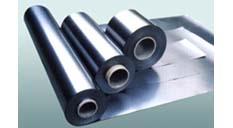
- Gasket Sheets: Sold in rolls or sheets, cut to shape (die-cut, stamped, or hand-cut) for custom flanges.
- Rectangular & D-Seals: Profile gaskets with a flat sealing side and a rounded bulb, often with an integrated metal carrier for retention.
- Cord & Sponge Rubber: Round or square cross-section cord, used for packing or custom-formed seals. Sponge offers excellent compression for thermal or acoustic insulation.
- Custom Molded Gaskets: Manufactured to exact specifications for complex geometries, incorporating holes, lips, or intricate features.
Frequently Asked Questions (FAQ) About Rubber Gaskets
Q: How do I choose the right rubber material for my gasket application?
A: Selection hinges on three core factors: the media being sealed, the operating temperature range, and the pressure. First, identify all chemicals, fluids, or gases the gasket will contact and consult chemical compatibility charts for your candidate materials (e.g., NBR for oil, EPDM for water/steam). Second, ensure the material's continuous and peak temperature ratings exceed your application's requirements. Finally, confirm the hardness (durometer) and design are suitable for the system pressure. When in doubt, consult with a sealing specialist and provide detailed application parameters.
Q: What is the difference between a static seal and a dynamic seal?
A: A static seal is used between surfaces that do not move relative to each other, such as pipe flanges, cover plates, or housing lids. The gasket is compressed during assembly and remains stationary. A dynamic seal is used between surfaces that have relative motion, such as rotating shafts (radial shaft seals), reciprocating rods, or piston seals. Dynamic applications place greater stress on the gasket, requiring materials with excellent abrasion resistance, low friction, and minimal compression set. O-rings can function as both, but their groove design and material differ.
Q: Why does my rubber gasket fail prematurely?
A: Premature failure can stem from multiple causes. Common issues include: Chemical Incompatibility: Swelling, cracking, or softening due to media attack. Temperature Extremes: Exceeding the material's range can cause hardening/brittleness or excessive softening. Improper Installation: Pinching, twisting (especially for O-rings), under/over-torquing of bolts, or misalignment. Compression Set: The gasket loses its elasticity and fails to spring back, leading to leakage. Environmental Degradation: Ozone cracking (on non-resistant materials like some NR), UV exposure, or weathering. Analyzing the failed part's condition is the first step in diagnosing the root cause.
Q: Can I reuse a rubber gasket after disassembly?
A: It is generally not recommended to reuse rubber gaskets, especially critical seals in pressurized systems. During initial installation, the gasket undergoes permanent deformation (compression set) to conform to the flange faces. Upon disassembly, it will not return to its original shape, compromising its ability to re-create an effective seal. Reuse can lead to leaks. Always inspect seals upon disassembly and plan to replace them with new ones during maintenance or repair. The minor cost of a new gasket is negligible compared to the risk of system failure, downtime, or safety hazards.
Q: What is the significance of a gasket's compression set rating?
A: Compression set is a crucial metric indicating a material's ability to retain elastic recovery after prolonged compression. A low compression set percentage (e.g., 10-20%) means the material springs back well and maintains sealing force over time. A high compression set (e.g., 40%+) indicates the material flattens and loses its resilience, leading to seal failure as the clamping force diminishes. This property is vital for applications requiring long service life or where maintenance intervals are long. Materials like silicone and fluorocarbon typically have excellent (low) compression set ratings.
Q: Are there food-grade or sanitary standards for rubber gaskets?
A: Yes, absolutely. For applications in food processing, beverage, pharmaceutical, and dairy industries, gaskets must comply with stringent regulations. In the United States, the FDA (Food and Drug Administration) outlines approved materials under CFR Title 21, particularly sections like 177.2600 for rubber articles intended for repeated use. Common food-grade materials include certain formulations of Silicone, EPDM, and Fluorocarbon (FKM). Additionally, standards like 3-A Sanitary Standards and European Regulation (EC) No 1935/2004 may apply. These materials are non-toxic, non-tainting, and often designed for easy cleaning and resistance to cleaning-in-place (CIP) chemicals.
Q: How should I store rubber gaskets to maximize their shelf life?
A: Proper storage is essential to prevent material degradation before use. Store gaskets in a cool, dark, dry, and well-ventilated area, away from direct sunlight, UV sources, and ozone generators (like electric motors). Ideal storage temperature is between 10°C and 25°C (50°F and 77°F). Avoid contact with sharp objects, heavy weights that could cause deformation, and keep them away from chemicals, solvents, and oils. Do not hang O-rings or stretch them over pegs, as this can cause permanent deformation. Store them flat or in their original packaging. Under these conditions, most rubber gaskets have a shelf life of 5 to 10 years, depending on the compound.

- View as

Rubber O Rings
Kaxite Sealing's Rubber O Rings offer reliable sealing solutions for industries like plumbing, automotive, and manufacturing. Made from durable, high-quality rubber, they resist wear and chemicals, ensuring leak-free performance. Ideal for engineers and DIY enthusiasts, these easy-to-install rings simplify maintenance and prevent costly leaks. Experience peace of mind with Kaxite Sealing – your trusted partner in sealing excellence.


