- Home
- About Us
- Products
- Gaskets
- Braided Packing
- Graphite Packing
- Aramid Packing
- PTFE Packing
- Graphite PTFE Packing
- Carbon Fiber Packing
- Asbsetos Packing
- Ceramic Packing
- Fiberglass Packing
- Acrylic Packing
- Cotton Packing
- Injectable Sealant
- Synthetic Fiber Packing
- Vegetable Fiber Packing
- Mineral Fiber Packing
- Molded Packing Ring
- Die-formed Graphite Ring
- Compression Sheets
- Sealing Materials
- Sealing Machines
- Sealing Tools
- Insulation Products
- PTFE
- Metallic Gaskets
- Fep
- PFA
- News
- Download
- Send Inquiry
- Contact Us

High-Quality OEM Sealing Materials Supplier from China
Essential Guide to Professional Sealing Materials for Industrial and Construction Applications
Selecting the correct sealing material is a critical decision that directly impacts the longevity, safety, and efficiency of any project. From high-rise construction and industrial piping to automotive manufacturing and electronic enclosures, a reliable seal prevents leakage, contamination, and structural failure. This comprehensive guide details the key product parameters, material types, and application-specific considerations to inform your specification process.
Core Product Parameters and Specifications
Understanding the technical specifications of sealing materials is paramount for ensuring compatibility and performance. Key parameters include:
- Chemical Resistance: The material's ability to withstand exposure to specific acids, bases, solvents, oils, and fuels without degrading, swelling, or losing sealing force.
- Temperature Range: The continuous operating temperature span (min/max) the material can endure while maintaining its physical properties and sealing integrity.
- Pressure Rating: The maximum internal or external pressure the seal can contain without extrusion or failure, often dependent on gland design and hardness.
- Hardness (Durometer): Measured on the Shore A or Shore D scale, indicating the material's resistance to indentation. Softer seals conform better to irregular surfaces, while harder ones resist extrusion.
- Tensile Strength & Elongation: The maximum stress the material can withstand while being stretched (tensile strength) and the percentage it can stretch before breaking (elongation), indicating toughness and flexibility.
- Compression Set: The material's ability to recover its original shape after prolonged compression. A low compression set is vital for long-term sealing performance in static applications.
Comparison of Common Sealing Material Types
| Material Type | Key Properties | Typical Temperature Range | Best For | Limitations |
|---|---|---|---|---|
| Nitrile Rubber (NBR) | Excellent resistance to oils, fuels, and hydrocarbons. Good abrasion resistance. | -40°C to +120°C (-40°F to +248°F) | Hydraulic systems, fuel handling, automotive oil seals. | Poor resistance to ozone, weathering, and polar solvents. |
| Fluoroelastomer (FKM/Viton®) | Exceptional high-temperature and chemical resistance. Excellent for harsh environments. | -20°C to +230°C (-4°F to +446°F) | Aerospace, chemical processing, oil & gas, automotive fuel systems. | Higher cost. Poor low-temperature flexibility. Not suitable for ketones and some amines. |
| Silicone Rubber (VMQ) | Extremely wide temperature range, flexible at low temps, excellent ozone/weather resistance. | -60°C to +230°C (-76°F to +446°F) | Food & medical, aerospace gaskets, high/low-temperature static seals, electrical insulation. | Low tensile strength, poor abrasion and tear resistance. Not for fuel or hydrocarbon applications. |
| Ethylene Propylene Diene Monomer (EPDM) | Superior resistance to weathering, ozone, steam, and polar fluids (e.g., water, glycol). | -50°C to +150°C (-58°F to +302°F) | Outdoor seals, automotive cooling systems, HVAC, plumbing gaskets. | Poor resistance to petroleum-based oils and fuels. |
| Polytetrafluoroethylene (PTFE/Teflon®) | Almost universal chemical inertness, very low friction, excellent high-temperature capability. | -260°C to +260°C (-436°F to +500°F) | Chemical processing, pharmaceutical, aggressive fluid sealing, non-stick applications. | Can be prone to creep (cold flow) under load. Requires careful gland design. |
| Expanded PTFE (ePTFE) | Highly compressible, conformable, and creep-resistant. Creates excellent flange gaskets. | -240°C to +315°C (-400°F to +600°F) | Industrial flange gasketing, pipe seals, irregular surface sealing. | Softer than filled PTFE, less suitable for dynamic applications. |
Advanced and Composite Sealing Solutions
Modern applications often demand materials engineered for specific challenges:
- Perfluoroelastomer (FFKM): The pinnacle of sealing performance, offering chemical resistance surpassing even FKM across a broad temperature range (-15°C to +325°C). Used in ultra-demanding semiconductor and pharmaceutical processes.
- Polyurethane (PU): Renowned for exceptional abrasion resistance, high tensile strength, and load-bearing capacity. Ideal for hydraulic piston seals, rods, and heavy machinery.
- Metal Gaskets & C-Rings: Manufactured from stainless steel, copper, or exotic alloys. Used for extreme temperatures, ultra-high pressures, and high-vacuum applications where elastomers would fail.
- Elastomer-Encapsulated Metal Gaskets: Combine the sealing conformity of an elastomer with the structural strength and anti-extrusion properties of a metal core. Excellent for high-pressure flanges.
Sealing Materials FAQ
How do I choose between a rubber O-ring and a PTFE seal?
The choice hinges on the application environment. Rubber O-rings (NBR, FKM, EPDM) are elastomeric, providing excellent sealing force through compression and resilience. They are ideal for dynamic and static applications with moderate chemical exposure. PTFE seals are chosen for extreme chemical resistance, very high/low temperatures, or where lubrication is not possible due to their low friction. PTFE is less elastic and requires precise gland design to function effectively.
What does "compression set" mean, and why is it important?
Compression set is a measurement of a material's permanent deformation after being compressed for a prolonged period at a specific temperature. A low percentage (e.g., 10-20%) indicates the seal will spring back effectively, maintaining sealing force over time. A high compression set means the seal becomes permanently flattened, leading to leakage. It is a critical parameter for long-term static sealing applications.
Can I use a seal outside its stated temperature range intermittently?
It is not recommended. The published temperature range is for continuous service. Brief excursions beyond the range may be possible but can cause accelerated aging, hardening, softening, or permanent loss of properties, leading to premature failure. Always select a material whose full range encompasses all expected temperatures, including startup, shutdown, and cleaning cycles.
What is the difference between static, dynamic, and rotary seal applications?
Static seals are used between surfaces with no relative motion (e.g., flange gaskets, pipe thread seals). Dynamic seals are used between surfaces that move relative to each other, such as reciprocating (piston seals) or translational (rod seals). Rotary seals are used where a shaft rotates within a housing. Each application type imposes different wear, friction, and heat generation demands, necessitating specific material and design choices.
How does media compatibility affect seal selection?
The fluid or gas being sealed (the media) is the most critical factor. Incompatibility can cause the seal material to swell, shrink, soften, harden, or chemically decompose. Always consult a chemical compatibility chart specific to the sealing material family for the exact media and concentration. Consider not only the process fluid but also cleaning agents, lubricants, and ambient atmospheric conditions.
What are the key considerations for food-grade or potable water sealing materials?
Seals must comply with relevant regulations such as FDA (USA), EC1935/2004 (EU), NSF/ANSI 61, or WRAS (UK). Common compliant materials include specific grades of silicone rubber (VMQ), EPDM, PTFE, and some nitrile compounds. They must not impart taste, odor, or leach harmful substances into the product. Surface finish and cleanability are also paramount.
Why is gland design as important as the sealing material itself?
The gland (the cavity that houses the seal) controls compression, prevents extrusion, and allows for thermal expansion. An incorrect gland design—wrong depth, width, or surface finish—will cause any seal to fail prematurely, regardless of material quality. Guidelines for gland dimensions are published by standards organizations like AS568 for O-rings and are material-specific.

- View as

PTFE Tape For SWG
Kaxite Sealing presents PTFE Tape for SWG, a premium sealing solution crafted to ensure leak-proof connections in plumbing and piping systems. Made from high-quality PTFE material, it offers superior durability, easy application, and resistance to corrosion, making it ideal for professionals and DIY enthusiasts tackling home repairs or industrial projects. Experience peace of mind with reliable, long-lasting performance that sets it apart through exceptional quality and trusted brand assurance.

V Shape Metallic Tape
Kaxite Sealing's V Shape Metallic Tape offers a durable, self-adhesive sealing solution for quick fixes and professional applications. Made from high-quality metal, it excels in weatherproofing, insulation, and repair, ideal for DIY enthusiasts and contractors in construction, automotive, and home settings. Its unique V shape design ensures easy application and long-lasting performance, providing peace of mind and reliability. Elevate your projects with this superior tape that outshines conventional options.

Spool Metallic Strip For SWG
Kaxite Sealing's Spool Metallic Strip For SWG offers durable, high-quality sealing for industrial applications. Its robust material ensures long-lasting performance, ideal for professionals in manufacturing and engineering. This product solves leakage issues efficiently, providing reliable solutions with superior craftsmanship. Enhance your projects with our unique metallic strip—trust Kaxite Sealing for precision and excellence. Experience unmatched durability and peace of mind today!

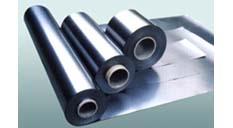
Metallic Strip
Kaxite Sealing's Metallic Strip offers superior durability and sleek design for sealing projects. Its premium materials ensure long-lasting performance, ideal for DIY enthusiasts and professionals seeking reliable, easy-to-use solutions in home or industrial settings. Experience enhanced efficiency and peace of mind with this standout product that combines quality with affordability.

Pure PTFE Yarn
Discover Kaxite Sealing's Pure PTFE Yarn, the ultimate solution for high-performance sealing and filtration. Crafted from premium polytetrafluoroethylene, it offers unmatched chemical resistance, durability, and low friction, ideal for industrial applications like automotive and aerospace. This yarn excels in harsh environments, ensuring reliability and efficiency. Users benefit from enhanced safety and reduced downtime, addressing critical sealing challenges. Our advanced manufacturing sets it apart with superior purity and consistency. Choose Kaxite Sealing for trusted quality—unleash innovation with Pure PTFE Yarn.

Pure PTFE Yarn With Oil
Kaxite Sealing presents Pure PTFE Yarn With Oil, a premium sealing solution perfect for industrial professionals and DIY enthusiasts tackling demanding environments. This advanced PTFE yarn, infused with lubricating oil, offers unmatched durability, low friction, and chemical resistance, ideal for high-performance applications. Experience smoother operation and enhanced reliability, solving common sealing issues with its superior design. Stand out from competitors with its unique oil-impregnated construction, ensuring long-lasting protection. Upgrade your projects today with Kaxite Sealing's trusted quality and performance.


