- Home
- About Us
- Products
- Gaskets
- Braided Packing
- Graphite Packing
- Aramid Packing
- PTFE Packing
- Graphite PTFE Packing
- Carbon Fiber Packing
- Asbsetos Packing
- Ceramic Packing
- Fiberglass Packing
- Acrylic Packing
- Cotton Packing
- Injectable Sealant
- Synthetic Fiber Packing
- Vegetable Fiber Packing
- Mineral Fiber Packing
- Molded Packing Ring
- Die-formed Graphite Ring
- Compression Sheets
- Sealing Materials
- Sealing Machines
- Sealing Tools
- Insulation Products
- PTFE
- Metallic Gaskets
- Fep
- PFA
- News
- Download
- Send Inquiry
- Contact Us

High-Quality Synthetic Fiber Sheet Supplier with OEM and Custom Manufacturing Solutions from China
What is a Synthetic Fiber Sheet?
A Synthetic Fiber Sheet is a high-performance engineered material composed of man-made polymer fibers, such as polyester, nylon, polypropylene, or aramid. These fibers are processed, bonded, or woven together to form a continuous, durable sheet. Unlike traditional materials like paper, cotton, or leather, synthetic fiber sheets offer superior and consistent properties tailored for specific industrial, commercial, and consumer applications. They are designed to be resistant to moisture, chemicals, UV radiation, and wear, providing a reliable and long-lasting solution where natural materials would fail. The versatility in fiber type, bonding method, and finishing treatments allows for a vast range of products, from filtration media and geotextiles to protective surfaces and synthetic paper.
Key Features and Manufacturing Process
The exceptional properties of synthetic fiber sheets stem from their advanced manufacturing process. It begins with the selection and extrusion of polymer resins into fine, continuous filaments or staple fibers. These fibers are then laid into a uniform web using methods like carding, air-laying, or spunbonding. The web is subsequently bonded through one of several techniques:
- Thermal Bonding: Heat is applied to melt thermoplastic fibers, fusing them at their crossover points.
- Chemical Bonding: Binders or adhesives are used to coat and bond the fibers, often enhancing specific characteristics like stiffness or flame retardancy.
- Mechanical Bonding: Needle-punching or hydroentanglement (spunlace) physically interlocks the fibers for enhanced strength and texture.
- Woven/Knit Bonding: Fibers are woven or knitted on looms, creating sheets with high tensile strength and dimensional stability.
Post-bonding, the sheet may undergo various finishing treatments, including calendering for smoothness, coating for barrier properties, or dyeing for color.
Detailed Product Parameters and Specifications
Selecting the right synthetic fiber sheet requires careful consideration of its technical parameters. Below is a detailed breakdown of key specifications across common fiber types.
Material Composition & Physical Properties
| Parameter | Polyester (PET) | Nylon (PA) | Polypropylene (PP) | Aramid (e.g., Nomex®) |
|---|---|---|---|---|
| Primary Fiber Type | Polyethylene Terephthalate | Polyamide 6 or 6.6 | Polypropylene | Para- or Meta- Aramid |
| Typical Basis Weight | 30 - 500 gsm | 50 - 400 gsm | 20 - 300 gsm | 80 - 250 gsm |
| Thickness | 0.1 - 3.0 mm | 0.15 - 2.5 mm | 0.08 - 2.0 mm | 0.2 - 1.5 mm |
| Tensile Strength (MD)* | High (40-120 N/cm) | Very High (60-150 N/cm) | Medium (20-80 N/cm) | Exceptional (80-200 N/cm) |
| Elongation at Break | 20-80% | 30-100% | 50-500% | 5-30% |
| Melting Point | ~260°C (500°F) | ~220°C (428°F) | ~165°C (329°F) | >370°C (698°F) (Does not melt, chars) |
| Continuous Use Temp. | up to 150°C | up to 120°C | up to 100°C | up to 200°C+ |
| Moisture Regain | Low (0.4%) | Medium (4.0%) | Very Low (0.01%) | Medium (4.5-7%) |
| Chemical Resistance | Excellent to acids, poor to strong alkalis | Excellent to alkalis, poor to strong acids | Excellent to acids & alkalis | Good to most chemicals |
| UV Resistance | Good (with stabilizers) | Poor (degrades) | Poor (requires stabilizers) | Excellent |
*MD: Machine Direction. Values are typical ranges and can vary based on manufacturing process and treatments.
Performance & Functional Specifications
| Property Category | Standard Test Method | Typical Performance Range | Key Applications Impacted |
|---|---|---|---|
| Air Permeability | ISO 9237, ASTM D737 | 10 - 1000 l/m²/s | Filtration, Breathable Fabrics |
| Burst Strength | ISO 2758, ASTM D774 | 200 - 1500 kPa | Packaging, Sacking |
| Tear Resistance | ISO 6383, ASTM D1424 | 5 - 50 N (Elmendorf) | Tarps, Geotextiles, Apparel |
| Abrasion Resistance | ISO 12947, ASTM D3884 | 10,000 - 50,000+ cycles | Conveyor Belts, Upholstery |
| Flame Retardancy | ISO 3795, ASTM D6413 | Class B to Class A (UL94 V-0, V-2) | Transportation, Protective Gear, Electrical Insulation |
| Dielectric Strength | IEC 60243, ASTM D149 | 10 - 50 kV/mm | Electrical Insulation Materials |
| Hydrostatic Head (Water Resistance) | ISO 811, AATCC 127 | 0 - 20,000 mm H₂O | Outdoor Fabrics, Medical Drapes, Tents |
Primary Applications and Industries
Synthetic fiber sheets are ubiquitous across modern industry due to their customizable nature. Their applications are categorized by their core function.
- Filtration: Used as filter media in HVAC systems, liquid bag filters, vacuum cleaner bags, and automotive cabin air filters. Polyester and polypropylene nonwovens dominate this sector due to controlled pore size and dust-holding capacity.
- Geotextiles and Civil Engineering: Employed for soil separation, drainage, reinforcement, and erosion control. Needle-punched polyester or polypropylene sheets provide high tensile strength and permeability.
- Protective Covers and Tarpaulins: PVC-coated polyester or polyethylene sheets offer waterproof, UV-resistant, and tear-resistant properties for truck tarps, industrial covers, and temporary shelters.
- Synthetic Paper and Labels: Polyester or polypropylene sheets with a smooth, printable surface are used for durable tags, maps, outdoor signage, and waterproof manuals.
- Insulation and Acoustic Materials: Needle-felt or thermally bonded sheets are used as automotive trunk liners, hood liners, and building insulation for thermal and sound dampening.
- Medical and Hygiene: Spunbond-meltblown-spunbond (SMS) polypropylene nonwovens are critical for surgical gowns, drapes, and face masks due to their barrier properties and disposability.
- Apparel Interlining and Stiffeners: Lightweight nonwovens or wovens provide shape, structure, and reinforcement in collars, cuffs, and hat brims.
- Leather Alternatives: Durable, textured synthetic fiber sheets are used in upholstery, footwear, and fashion accessories.
Synthetic Fiber Sheet: Frequently Asked Questions (FAQ)
What are the main advantages of a synthetic fiber sheet over traditional paper or cotton fabric?
Synthetic fiber sheets offer superior durability, consistency, and resistance to environmental factors. They are inherently water-resistant, do not rot or mildew like paper or cotton, and have much higher tensile and tear strength. Their properties can be precisely engineered for specific needs, such as chemical resistance, flame retardancy, or filtration efficiency, which is not possible with natural materials. They also provide better dimensional stability and do not stretch or shrink like natural fibers.
How do I choose between polyester, nylon, and polypropylene synthetic fiber sheets?
The choice depends on your application's primary requirements. For general-purpose durability, chemical resistance to acids, and good UV stability (with treatment), choose Polyester (PET). For applications demanding the highest abrasion resistance, toughness, and resistance to alkalis (but poor UV and acid resistance), select Nylon (PA). For applications requiring low cost, excellent chemical resistance to a wide range of substances, low moisture absorption, and lightweight properties (but lower heat resistance), Polypropylene (PP) is ideal. Always consult technical data sheets for specific environmental and load conditions.
Can synthetic fiber sheets be recycled or are they environmentally friendly?
Recyclability varies by polymer type and construction. Monofilament sheets (made from one polymer type) like pure polyester or polypropylene nonwovens are increasingly recyclable through mechanical or chemical processes. However, sheets with laminated coatings, chemical binders, or mixed fibers are more challenging to recycle. Many manufacturers offer sheets made from post-consumer recycled (PCR) content. The environmental footprint is often offset by the sheet's longevity and durability, reducing the need for frequent replacement compared to disposable natural alternatives. Biodegradable options, like polylactic acid (PLA) fiber sheets, are also emerging.
What is the difference between spunbond, needle-punch, and meltblown synthetic fiber sheets?
These refer to different nonwoven manufacturing processes that drastically alter the sheet's properties. Spunbond sheets are made by extruding continuous filaments laid into a web and thermally bonded, resulting in strong, uniform, and relatively lightweight sheets with good porosity (common in geotextiles, coverstock). Needle-punch sheets involve mechanically entangling staple fiber webs with barbed needles, creating thicker, denser, felt-like materials with high strength and bulk (used in insulation, carpet backing, filtration). Meltblown sheets are produced by extruding polymer through fine dies into high-speed air streams, creating an ultra-fine fiber web with very small pores, excellent for filtration and barrier applications (key in medical masks).
How can I improve the UV resistance of a synthetic fiber sheet for outdoor use?
Intrinsic UV resistance depends on the polymer. Aramid fibers have excellent UV resistance, while nylon and polypropylene have poor resistance. For common materials like polyester and polypropylene, UV resistance is significantly enhanced through additives during polymer extrusion (e.g., carbon black, HALS stabilizers, UV absorbers) or through post-production surface treatments and coatings (e.g., acrylic, PVDF, or PVC coatings). Always specify "UV-stabilized" grades for long-term outdoor exposure and request accelerated weathering test data (like Xenon Arc exposure per ASTM G155) to predict service life.
What are the key specifications I should request from a supplier when ordering?
To ensure you get the correct material, provide the supplier with a clear list of requirements: 1) Polymer Type (e.g., PET, PP), 2) Basis Weight (gsm) and Thickness (mm), 3) Width and Roll Length, 4) Key Performance Metrics (e.g., tensile strength MD/CD, tear resistance, air permeability, hydrostatic head), 5) Specific Standards or Certifications needed (e.g., flame retardancy UL94, REACH compliance, FDA approval for food contact), 6) Environmental Conditions (temperature range, chemical exposure, UV exposure), and 7) Desired Finish (e.g., calendered, coated, dyed). Requesting physical samples and test reports is standard practice.
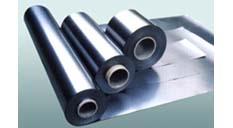

- View as

Synthetic Fiber Beater Sheet
Discover the Kaxite Sealing Synthetic Fiber Beater Sheet, a premium-grade solution designed for automotive and industrial sealing applications. Crafted from advanced synthetic fibers, this durable sheet ensures superior leak protection, heat resistance, and long-lasting performance, effectively preventing fluid and air seepage. Ideal for mechanics, manufacturers, and DIY enthusiasts, it excels in engines, pipelines, and machinery maintenance. Experience peace of mind with reduced downtime and reliable sealing. Unlike standard rubber or cork sheets, our innovative material offers enhanced flexibility and environmental resilience. Elevate your projects with Kaxite Sealing today.

Synthetic Fiber Beater Sheet Reinforced With Double Tanged Sheet
Discover Kaxite Sealing's Synthetic Fiber Beater Sheet Reinforced With Double Tanged Sheet, an innovative sealing solution designed for industrial applications. Its durable synthetic fiber material and double-tanged reinforcement ensure superior strength, flexibility, and long-lasting performance. Ideal for mechanics, engineers, and DIY enthusiasts, it excels in sealing pipes, machinery, and automotive parts, preventing leaks and saving time. Feel the confidence of a secure, reliable fix that enhances efficiency. Unlike standard sheets, our reinforced design offers enhanced tear resistance and easy handling. Trust Kaxite Sealing for quality that works harder for you.

Synthetic Fiber Sheet
Discover Kaxite Sealing's Synthetic Fiber Sheet, a durable and versatile sealing solution for industrial and commercial applications. Engineered with advanced synthetic materials, it offers superior resistance to heat, chemicals, and wear, ensuring long-lasting performance and reduced maintenance. Ideal for engineers, manufacturers, and maintenance professionals in harsh environments like factories or construction sites, this product brings peace of mind by preventing leaks and enhancing safety. Unlike standard products, its precision design and eco-friendly composition set it apart. Upgrade your sealing needs today for reliability you can trust!

Oil Resisting Synthetic Fiber Sheet
Kaxite Sealing's Oil Resisting Synthetic Fiber Sheet offers durable protection against oil leaks in industrial settings. Its innovative synthetic fibers resist degradation, ensuring long-lasting sealing and reduced maintenance costs for engineers and facility managers. Perfect for machinery and pipelines, it provides reliable performance that enhances operational efficiency and peace of mind.

Reinforced Synthetic Fiber Beater Sheet
Kaxite Sealing presents the Reinforced Synthetic Fiber Beater Sheet, a durable, high-performance liner designed for industrial applications like pulp processing. Its reinforced synthetic fibers ensure exceptional tear resistance, moisture resilience, and long-term reliability, making it a cost-effective solution for mills and factories. Unlike standard sheets, it offers unmatched durability and efficiency, reducing downtime and maintenance needs. Experience smoother operations and enhanced productivity with this superior product.

Mineral Fiber Beater Sheet
Experience superior insulation with Kaxite Sealing's Mineral Fiber Beater Sheet—a durable, high-performance material designed for energy-efficient construction. Its unique mineral fiber composition offers exceptional thermal and acoustic protection, ideal for builders and homeowners seeking reliable, eco-friendly solutions. Feel the comfort of enhanced living spaces while reducing energy costs, setting it apart with unmatched quality and sustainability. Discover the difference with Kaxite Sealing today!


