- Home
- About Us
- Products
- Gaskets
- Braided Packing
- Graphite Packing
- Aramid Packing
- PTFE Packing
- Graphite PTFE Packing
- Carbon Fiber Packing
- Asbsetos Packing
- Ceramic Packing
- Fiberglass Packing
- Acrylic Packing
- Cotton Packing
- Injectable Sealant
- Synthetic Fiber Packing
- Vegetable Fiber Packing
- Mineral Fiber Packing
- Molded Packing Ring
- Die-formed Graphite Ring
- Compression Sheets
- Sealing Materials
- Sealing Machines
- Sealing Tools
- Insulation Products
- PTFE
- Metallic Gaskets
- Fep
- PFA
- News
- Download
- Send Inquiry
- Contact Us

Custom Synthetic Fiber Rubber Gaskets Manufacturer in China
Introduction to Synthetic Fiber Rubber Gaskets
In the demanding world of industrial sealing, finding a solution that balances durability, chemical resistance, and cost-effectiveness is paramount. This is where Synthetic Fiber Rubber Gaskets excel. Engineered for performance, these gaskets are composite materials formed by combining high-grade synthetic fibers with specially formulated elastomers. The result is a robust sealing product that outperforms many traditional materials in a wide array of applications, from automotive and HVAC systems to chemical processing and marine environments. Their unique construction provides a superior alternative to plain rubber or cork, offering enhanced dimensional stability, reduced compression set, and excellent resistance to oils, fuels, and moderate temperatures.
Key Features and Benefits
- Enhanced Strength & Durability: The embedded synthetic fiber matrix provides high tensile strength and tear resistance, preventing blow-out under pressure and ensuring a longer service life.
- Excellent Sealing Performance: The rubber compound flows to fill surface imperfections, creating a reliable, leak-tight seal even on less-than-ideal flanges.
- Superior Chemical and Fluid Resistance: Formulated to withstand exposure to a broad spectrum of oils, fuels, water, glycols, and many alkalis and acids.
- Low Compression Set: Maintains sealing force over time by resisting permanent deformation under sustained load and temperature.
- Good Temperature Resilience: Performs reliably across a wide temperature range, typically from -40°C to +120°C (-40°F to +250°F), depending on the specific compound.
- Cost-Effective Solution: Offers a superior price-to-performance ratio compared to high-end elastomers like fluorocarbon, making them ideal for large-scale or budget-conscious projects.
Technical Specifications and Product Parameters
Our synthetic fiber rubber gaskets are manufactured to precise standards to ensure consistent, reliable performance. Below are the detailed specifications for our standard product line. Custom formulations are available to meet specific OEM requirements.
| Parameter | Standard Value / Range | Test Method / Notes |
|---|---|---|
| Base Material | Nitrile Rubber (NBR) / Synthetic Fiber Blend | Other elastomers (EPDM, CR, SBR) available upon request. |
| Reinforcing Fiber | Aramid, Polyester, or Cellulose | Selected for optimal strength and fluid compatibility. |
| Standard Thickness | 0.5mm, 0.8mm, 1.0mm, 1.5mm, 2.0mm, 3.0mm | Custom thicknesses can be produced. |
| Standard Sheet Size | 1000mm x 1000mm or 1500mm x 1500mm | Rolls and custom-cut shapes are also available. |
| Density | 1.4 - 1.6 g/cm³ | ASTM D792 |
| Hardness (Shore A) | 70 ± 5 | ASTM D2240 |
| Tensile Strength | Min. 12 MPa | ASTM D412 |
| Elongation at Break | Min. 15% | ASTM D412 |
| Compression Set (22 hrs @ 100°C) | Max. 40% | ASTM D395, Method B |
| Temperature Range | -40°C to +120°C (Continuous) | Short-term peaks up to 150°C possible. |
| Fluid Resistance | Excellent resistance to oils, fuels, water, glycol. Good resistance to alkalis. | Compatibility charts available for specific media. |
Common Applications
- Automotive Industry: Valve cover gaskets, oil pan gaskets, transmission seals, and fuel system components.
- HVAC & Refrigeration: Sealing for compressors, condensers, and air handling unit flanges.
- General Industrial Machinery: Pump housings, gearbox covers, access panels, and pipe flanges.
- Marine & Offshore: Engine room applications, hatch seals, and saltwater environment sealing.
- Chemical Processing: Sealing for tanks, mixers, and piping carrying non-aggressive chemicals.
Frequently Asked Questions (FAQs)
Q: What are the main advantages of synthetic fiber rubber gaskets over standard rubber gaskets?
A: Synthetic fiber rubber gaskets offer significantly higher mechanical strength and dimensional stability due to the fiber reinforcement. They are less prone to extrusion under high bolt load, have a lower compression set (meaning they maintain seal tightness longer), and often provide better resistance to compression creep. While standard rubber can be elastic, it may lack the backbone needed for many flange applications where gap-filling and resistance to pressure are critical.
Q: Can these gaskets be used for high-pressure applications?
A: Yes, they are suitable for moderate to high-pressure applications. The synthetic fiber matrix provides excellent resistance to blow-out, making them reliable for systems with internal pressure or vacuum. However, the specific pressure rating depends on factors like gasket thickness, flange design, bolt load, and the medium being sealed. Always consult our engineering data or a sealing specialist for application-specific pressure limits.
Q: How do I select the right thickness for my application?
A: Thickness selection is based on flange conditions, surface finish, and the required sealability. Thinner gaskets (0.5mm-1.0mm) are used for smooth, flat flanges with high bolt load. Thicker gaskets (1.5mm-3.0mm) are better for compensating for flange irregularities, warpage, or rough surface finishes. A general rule is to use the thinnest gasket that can accommodate the flange imperfections to achieve the target seal.
Q: Are synthetic fiber rubber gaskets resistant to gasoline and diesel fuel?
A: Gaskets made with a Nitrile Rubber (NBR) base compound exhibit excellent resistance to gasoline, diesel, biodiesel, and various engine oils. This makes them a premier choice for automotive and fuel system applications. It is crucial to verify the specific elastomer compound with the manufacturer, as resistance varies. We provide detailed chemical compatibility guides for all our materials.
Q: What is the maximum continuous operating temperature?
A: Our standard NBR-based synthetic fiber gaskets have a maximum continuous operating temperature of approximately 120°C (250°F). For short-term service, they can withstand peaks up to 150°C (300°F). For applications involving higher continuous temperatures, alternative base elastomers like EPDM (suitable for hot water/steam) or other specialized polymers can be explored in a composite format.
Q: How should these gaskets be stored and what is their shelf life?
A: Store gaskets in a cool, dry, dark place away from direct sunlight, ozone sources (like electric motors), and extreme heat. Ideal storage temperature is between 10°C and 25°C (50°F and 77°F). Avoid stretching, compressing, or hanging them. When stored under these recommended conditions, synthetic fiber rubber gaskets typically have a shelf life of 5 to 7 years from the date of manufacture before properties may begin to degrade.
Q: Can these gaskets be custom-cut to specific shapes and sizes?
A: Absolutely. We offer full custom die-cutting, water-jet cutting, and laser cutting services. Providing a sample, CAD drawing, or precise dimensions allows us to manufacture gaskets in any complex shape with tight tolerances, ready for immediate installation, which saves time and reduces material waste for our clients.

- View as

Synthetic Fiber Rubber Gasket
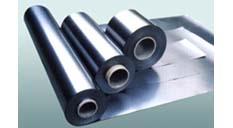
Kaxite Sealing's Synthetic Fiber Rubber Gasket offers superior durability and leak-proof performance for industrial and automotive applications. Engineered with advanced synthetic fibers, it withstands extreme temperatures and pressures, ensuring reliable sealing. Ideal for engineers and maintenance professionals, it delivers peace of mind and cost savings by preventing costly downtime. Unlike traditional gaskets, its unique blend enhances resilience and longevity. Trust Kaxite Sealing for quality that seals your success—every time.

Rubber Gasket
Kaxite Sealing's Rubber Gasket offers superior leak-proof protection for pipes, machinery, and industrial equipment. Crafted from high-quality, durable rubber, it ensures long-lasting performance even in extreme conditions, ideal for engineers, mechanics, and manufacturers. Experience peace of mind with reliable sealing that prevents costly downtime. Unlike others, our gasket features advanced molding for a perfect fit. Trust Kaxite Sealing for unmatched quality that keeps your operations smooth.

Non-asbestos Rubber Gasket
Discover Kaxite Sealing's Non-asbestos Rubber Gasket, a premium sealing solution designed for industrial applications. This high-quality gasket ensures leak-proof performance and durability, ideal for machinery and equipment. Crafted from safe, asbestos-free rubber, it excels in high-temperature and pressure environments. Perfect for engineers and maintenance teams, it enhances safety and efficiency, offering peace of mind. Stand out with superior resilience and environmental friendliness. Choose Kaxite Sealing for reliable, long-lasting protection.

Nitrile Rubber Gaskets
Kaxite Sealing offers high-performance Nitrile Rubber Gaskets, ideal for sealing in automotive, industrial, and household applications. Their oil-resistant, durable material ensures reliable protection against leaks, enhancing safety and efficiency. Perfect for mechanics, DIY enthusiasts, and professionals, these gaskets bring peace of mind with easy installation and long-lasting performance. Stand out with Kaxite's superior quality and trusted reliability.

SBR Rubber Gasket
Discover Kaxite Sealing's SBR Rubber Gasket: a durable, flexible seal perfect for industrial and automotive applications. Its superior SBR material ensures excellent resistance to water, oil, and wear, preventing leaks and enhancing safety. Ideal for engineers and DIY enthusiasts in maintenance or assembly projects, it offers peace of mind with reliable performance. Stand out with our precision-engineered design for a snug fit and long-lasting protection. Experience hassle-free sealing and upgrade your equipment today!

Styrene-Butadiene Rubber Gaskets
Kaxite Sealing's Styrene-Butadiene Rubber Gaskets deliver exceptional sealing with superior flexibility and durability, ideal for industrial and automotive applications. These high-performance gaskets resist extreme temperatures and harsh chemicals, ensuring reliable protection against leaks. Perfect for engineers, manufacturers, and DIY enthusiasts, they bring peace of mind by solving common sealing challenges effectively. Their advanced material blend sets them apart from standard rubber options. Explore our range today and experience unmatched reliability in your projects!


